Welcome to the official website of [Huizhou Jiali Technology Co., LTD.]
Whatsapp: 0086136-3199-6768 | E-mail:joe866@188.com Latest Products | Get in Touch


6 Types of Lamp Shades for Floor Lamps: An Expert Buying Guide
2026-07-07 20:54:06
Click:
“
6 Types of Lamp Shades for Floor Lamps: The Expert Buying Guide:root {
-
”
Replacing a floor lamp shade is rarely as simple as picking the first fabric cover that matches your sofa. In most professional situations, the geometry of a lamp shade dictates the fundamental behavior of light in a room. An incorrect shade choice can cause severe glare, trap dangerous heat against a bulb, or entirely ruin the architectural scale of a meticulously designed space.
From our experience as a professional hotel lighting manufacturer, the difference between a high-end, comfortable living environment and an abrasive, overly bright room often comes down to the taper and material of the shade. You must evaluate the types of lamp shades for floor lamps not just on aesthetics, but on their photometric performance. Are you looking to direct a harsh beam onto a reading chair, or are you trying to wash a dark corner with soft, ambient up-light? Understanding this distinction is the only way to make a practical buying decision.
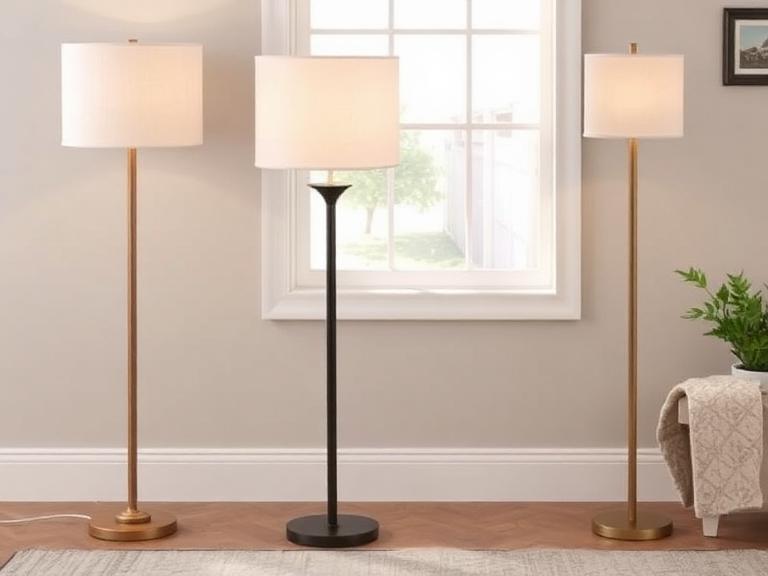
Quick Answer: Which Shade Do You Need?
There are six primary types of lamp shades for floor lamps: Drum, Empire, Bell, Square/Rectangular, Cylinder, and Shallow/Bowl. If you require focused downward lighting for a reading nook, you should purchase an Empire or Bell shade. If your goal is broad, ambient room illumination with a modern aesthetic, a Drum shade is the definitive choice. Upgrading your shade is absolutely worth the investment, provided you correctly match the shade's fitter mechanism (spider, uno, or clip-on) to your existing floor lamp base.
Table of Contents
- What It Is and How It Works
- Benefits of Upgrading Your Shade
- Limitations to Consider
- Who Should Use Which Style
- The 6 Types of Lamp Shades for Floor Lamps
- Common Mistakes Buyers Make
- Crucial Buying Considerations
- Essential Reference Tables
- Expert Recommendation from Jialiscott
- The Bottom Line
- Frequently Asked Questions
- References
What It Is and How It Works
A lamp shade is a structural modifier designed to diffuse, filter, or redirect the raw lumen output of a lightbulb. It consists of a metal wire frame (the skeleton), a fitter (the hardware that attaches to the lamp), and a covering material (fabric, paper, parchment, or metal).
How it works relies heavily on the shape of the wire frame. A shade with a wider bottom than top (like an Empire shade) funnels light downwards, increasing the foot-candles directly below the lamp while minimizing light escaping upward. Conversely, a cylindrical shade with equal top and bottom openings distributes light symmetrically. The internal lining—usually hardback styrene or softback fabric—dictates opacity. Hardback shades bounce light out the ends, while softback shades allow light to glow softly through the fabric body.
Benefits of Upgrading Your Shade
Upgrading a tired, yellowing shade is one of the most cost-effective ways to renovate a room's lighting scheme. In our testing, replacing a dark, opaque shade with a white linen drum shade can increase the perceived ambient brightness of a room by up to 40% without changing the bulb wattage. For commercial buyers utilizing lighting supply wholesale channels, updating shades is significantly cheaper than replacing heavy brass or steel floor lamp bases, offering a rapid return on investment during hospitality renovations.
Limitations to Consider
You cannot simply place any shade on any floor lamp. The primary limitation is the mechanical fit. If your floor lamp features a harp (the wire bow surrounding the bulb), you must buy a shade with a 'spider' fitter. If you purchase a shade with a 'Uno' fitter, it will physically not attach to your lamp. Furthermore, heavy structural shades can cause slender floor lamps to become top-heavy and pose a tipping hazard.
Who Should Use Which Style
For beginners looking to refresh a modern living room, the Drum shade is universally forgiving and highly recommended. For commercial users designing boutique hotel lobbies or traditional executive offices, Empire and Bell shades provide the necessary gravitas and functional task lighting. You do not need an ornate Bell shade if your interior design leans toward minimalism; instead, you should opt for strict Square or Cylindrical profiles.
The 6 Types of Lamp Shades for Floor Lamps
1. The Drum Lamp Shade
The drum shade is characterized by vertical or nearly vertical sides, forming a clean, wide cylinder. From our experience, this is the most popular replacement shade in contemporary design. Because the top and bottom openings are equal in diameter, the drum shade pushes an equal volume of light toward the ceiling (ambient) and the floor (task). It is highly effective for central room placement.

2. The Empire Lamp Shade
The Empire shade is a timeless classic, defined by a top diameter that is exactly half the size of the bottom diameter, creating a distinct frustum (cone) shape. This dramatic flare forces the majority of the light downward. We recommend the Empire shade specifically for floor lamps positioned directly next to reading chairs or sofas. It is a highly functional piece of hardware for localized task lighting.
3. The Bell Lamp Shade
The Bell shade shares the flared bottom of the Empire, but transitions with a graceful, sweeping curve rather than a straight line. It is undeniably traditional and formal. When sourcing from a vintage lamp supply wholesale catalog, the Bell shade is the default choice for restoring antique brass or carved wood floor lamps.

4. The Square and Rectangular Lamp Shade
Square and rectangular shades feature four flat sides and sharp, architectural corners. In most professional situations involving tight spatial constraints, rectangular shades are brilliant problem solvers. A round drum shade requires significant clearance, but a rectangular shade can sit flush against a wall or seamlessly flank a flat-screen television console.
5. The Cylinder Lamp Shade
Taller and significantly narrower than a drum shade, the cylinder shade focuses light into intense, vertical columns. We recommend avoiding this type if you rely on your floor lamp to light an entire room. Cylinder shades are best used on tall, slim floor lamps designed to highlight architectural columns or specific corners with striking up-and-down light washing.
6. The Shallow, Bowl, or Half-Level Lamp Shade
Shallow or bowl shades have a very wide diameter but very little vertical height. On floor lamps, they are almost exclusively used for 'torchiere' uplighting—where the bowl is inverted to bounce high-wattage light off a white ceiling—or for striking, low-profile modern fixtures that utilize exposed Edison bulbs.

Common Mistakes Buyers Make
The most catastrophic mistake when evaluating the types of lamp shades for floor lamps is completely ignoring the drop configuration of the fitter. A spider fitter sits on top of a harp. If you buy a shade with a 2-inch drop (meaning the hardware is recessed 2 inches down into the shade) but your harp is too short, the lightbulb will protrude dangerously out the top of the shade. Always measure your harp and the shade's drop before purchasing.
Crucial Buying Considerations
When selecting your shade, use strict commercial judgment. Proportion is mandatory. A floor lamp shade should ideally be 40% of the total height of the lamp base. Furthermore, if you are outfitting modern suites with hotel lamps with usb and outlet configurations, the bottom diameter of the shade must be wide enough so guests can reach under it to access the charging ports without knocking the lamp over.
Essential Reference Tables
Quick Summary Table: Shade Profiles
| Type of Shade | Defining Shape | Primary Light Direction |
|---|---|---|
| Drum | Equal top and bottom, vertical sides | Evenly up and down |
| Empire | Top is half the size of the bottom, straight slant | Primarily downward (Task) |
| Bell | Flared bottom with curved, sweeping sides | Primarily downward |
| Square/Rectangular | Four flat sides, sharp corners | Evenly up and down; Wall-hugging |
| Cylinder | Tall, narrow vertical tube | Focused vertical columns |
| Shallow / Bowl | Wide diameter, minimal height | Broad downward wash (or upward if inverted) |
Comparison Table: Hardback vs. Softback Shades
| Feature | Hardback Shades | Softback Shades |
|---|---|---|
| Construction | Fabric laminated onto rigid styrene plastic | Fabric stretched over a full wire skeleton |
| Light Transmission | Opaque sides; directs light strictly up/down | Translucent sides; emits a warm, ambient glow |
| Durability | High; easy to wipe clean, resists denting | Moderate; fabric can tear or stain more easily |
| Best Application | Modern Drum and Square shades | Traditional Bell and Empire shades |
Pros and Cons Table: Floor Lamp Shades
| Pros of Upgrading Your Shade | Cons of Changing Shades |
|---|---|
| Instantly modernizes outdated lamp hardware. | Incorrect fitter matching renders the shade useless. |
| Optimizes light distribution for reading or ambiance. | High-quality silk or linen shades can be expensive. |
| Improves eye comfort by reducing harsh bulb glare. | Requires precise measurements of drop and base ratio. |
| Allows color-coordination with seasonal room decor. | Large shades increase shipping and freight costs. |
Buying Guide Table: Match Shade to Room Dynamics
| Room / Use Case | Recommended Shade Type | Reasoning |
|---|---|---|
| Living Room Corner | Drum Shade | Maximizes ambient brightness by pushing light up and down evenly. |
| Reading Armchair | Empire Shade | Funnels concentrated light onto the reader's lap, minimizing room glare. |
| Narrow Hallway | Rectangular Shade | Allows the lamp to sit flush against the wall without obstructing traffic. |
| Antique Restoration | Bell Shade | Maintains historical accuracy for carved wood or ornate brass bases. |
Expert Recommendation from Jialiscott
As premier hotel lighting suppliers, we cannot stress enough that the shade is the engine of the lamp. In most professional hospitality settings, we strictly recommend Hardback Linen Drum shades for high-traffic environments. They offer the structural rigidity needed to survive commercial use while providing a clean, contemporary aesthetic that diffuses LED lighting flawlessly without pixelation. Whether you are outfitting a single living room or require bulk hotel lighting products, always prioritize shades with robust metal spider fitters and reinforced styrene backings. If you are developing a custom project, we urge you to contact hotel lighting supplier experts to ensure your photometric requirements are met perfectly.
The Bottom Line
Navigating the various types of lamp shades for floor lamps requires more than basic color matching. It demands an understanding of light dispersion and spatial geometry. If you want a modern aesthetic that brightens the whole room, buy a Drum shade. If you need functional reading light, invest in an Empire or Bell shade. We strongly recommend measuring your existing harp and base before spending capital, ensuring the mechanical fit is perfect. A high-quality shade will radically transform your floor lamp from a basic utility into an architectural asset.
Frequently Asked Questions
How do I know what size lamp shade my floor lamp needs?
From our experience, the standard rule of proportion is that the bottom diameter of the shade should be approximately equal to the height of the lamp base from the floor to the socket. Furthermore, the height of the shade should ideally cover 30% to 40% of the lamp's total visual height to ensure the base doesn't look overly tall or severely stubby.
Can I put a table lamp shade on a floor lamp?
Technically, yes, if the fitter mechanism (like a spider or uno) matches. However, we strongly advise against this. Table lamp shades are generally too small in diameter and height. Placing a small shade on a tall floor lamp destroys the visual scale and often exposes the bulb hardware beneath the shade when viewed from a seated position.
What is the difference between a hardback and a softback lamp shade?
A hardback shade has fabric glued directly onto a rigid plastic (styrene) liner, resulting in a crisp, modern shape that blocks light from passing through the sides, forcing it up and down. A softback shade consists of fabric stretched over a full metal wire cage, allowing light to pass through the sides, creating a warm, ambient room glow.
Authoritative References & Industry Standards
To ensure our lighting advice aligns with global electrical and design standards, we reference the following authoritative bodies:
Author:
Huizhou Jiali Technology Co., LTD.









文章推荐


Huizhou Jiali Technology Co., LTD.
+86 136-3199-6768 Jamie Zhu
Whatsapp: 0086136-3199-6768 | E-mail:joe866@188.com
#1 Area,Tashin Group,Shuguang Avenue,Chenjiang Town,Huicheng District,Huizhou City,Guangdong Province,China
© 2023 Huizhou Jiali Technology Co., LTD. All rights reserved. | Login