Welcome to the official website of [Huizhou Jiali Technology Co., LTD.]
Whatsapp: 0086136-3199-6768 | E-mail:joe866@188.com Latest Products | Get in Touch


20 Lighting Brands Good for Commercial Offices: An Expert Procurement Guide
2026-07-06 20:45:10
Click:
“
Navigating the complex landscape of commercial illumination requires far more th
”
Navigating the complex landscape of commercial illumination requires far more than picking out attractive fixtures. You are managing unified glare ratings (UGR), foot-candle requirements, localized dimming protocols, and strict energy codes. When facility managers and procurement officers ask us for lighting brands good for commercial offices, they are often overwhelmed by the sheer volume of choices. The reality is that much of the market consists of overpriced marketing layers applied over standard OEM hardware.
From our experience, specifying the wrong brand leads to devastating consequences: employee eye strain, massive energy overruns, and premature LED driver failure that costs thousands in labor to replace. In this guide, we bypass the fluff. We will detail exactly what makes a commercial fixture viable, expose the limitations of relying solely on massive conglomerates, and provide our curated list of 20 lighting brands good for commercial offices. We prioritize helping you make a buying decision based on commercial and practical judgment.
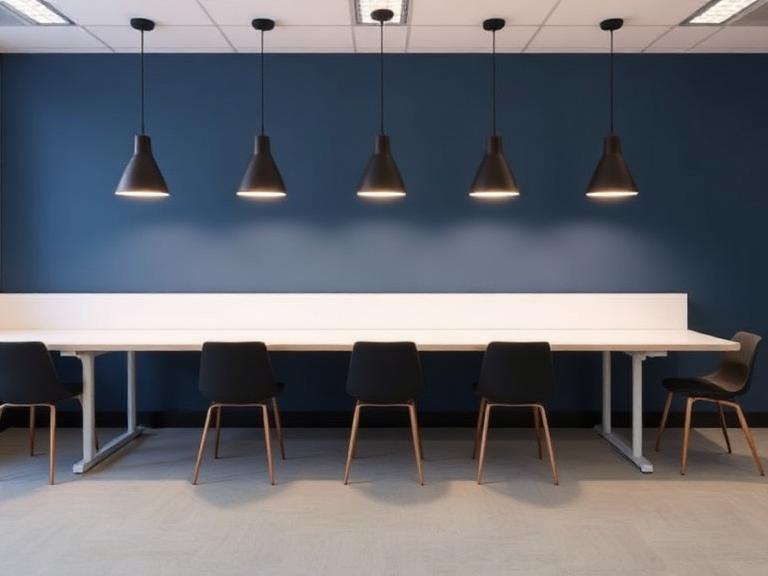
Quick Answer: The Best Lighting Brands Good for Commercial Offices
If you are procuring fixtures for a modern office fit-out, the market is divided into three distinct tiers based on budget and application:
- The Global Giants (Best for Standard Volume): Signify (Philips), Acuity Brands (Lithonia), and GE Current offer massive catalogs of standard troffers and linear pendants with bulletproof warranties.
- The Architectural Specialists (Best for High-End Design): ERCO, Zumtobel, and Focal Point provide superior optics and glare control for executive spaces, albeit at a steep premium.
- The OEM/Custom Manufacturers (Best for Value & Hospitality Crossover): Brands like JialiScott bridge the gap between high-end aesthetic design (receptions, lounges, boardrooms) and factory-direct pricing, eliminating the middleman markup.
Expert Advice: Never single-source a large project from an expensive architectural brand for the entire floor plate. Use premium decorative pieces in client-facing areas and rely on trusted OEM manufacturers for the bulk of your ambient corridor and workstation lighting.
Table of Contents
- Quick Summary Table
- What It Is: Commercial vs. Residential Lighting
- How It Works: The Anatomy of Office Lighting
- The List: 20 Lighting Brands Good for Commercial Offices
- Brand Tier Comparison Table
- Benefits of Specifying Commercial Brands
- Limitations and Hidden Costs
- Who Should Use What
- Common Procurement Mistakes
- Buying Considerations Guide
- Pros and Cons Table: Big Brands vs. Custom OEM
- Expert Recommendation & Bottom Line
- Authoritative References
- Frequently Asked Questions
Quick Summary Table: Core Commercial Requirements
| Specification | Standard Requirement | Why It Matters for Offices |
|---|---|---|
| UGR (Unified Glare Rating) | Less than 19 | Prevents screen glare and reduces severe employee eye strain. |
| Color Temperature (CCT) | 3500K - 4000K | Strikes the balance between alert productivity and sterile hospital environments. |
| Color Rendering (CRI) | 85+ (90+ preferred) | Ensures branding colors and skin tones look natural, not washed out. |
| Dimming Protocol | 0-10V or DALI | Allows integration with daylight harvesting and building management systems (BMS). |
What It Is: Commercial vs. Residential Lighting
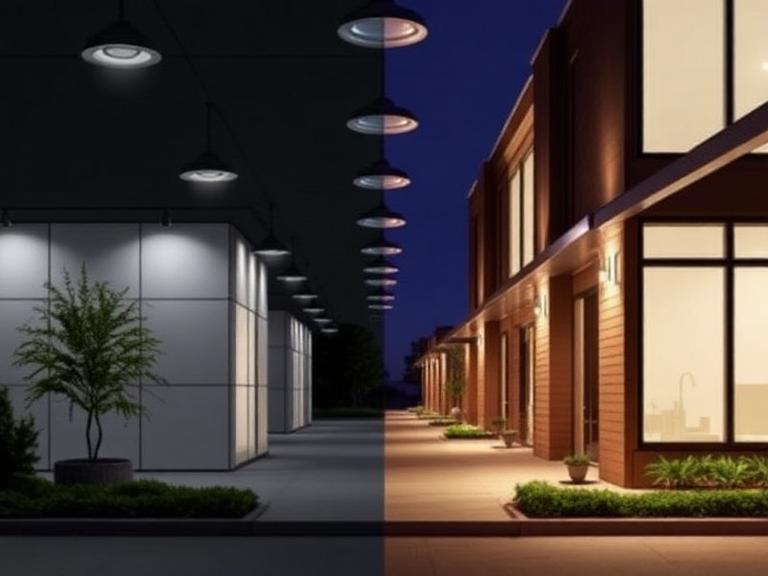
Many interior designers make the fatal mistake of specifying residential fixtures for commercial spaces simply because they look good. Commercial office lighting is an entirely different engineering discipline. A residential fixture is designed to be turned on for a few hours an evening. A commercial fixture is engineered to run 12 to 14 hours a day, 260 days a year, surrounded by commercial HVAC systems and strict drop-ceiling fire codes.
Lighting brands good for commercial offices build their fixtures with massive extruded aluminum heat sinks to protect the LED diodes from thermal degradation over a 50,000-hour lifespan. They utilize commercial-grade, flicker-free drivers that accept 277V (standard in US commercial buildings) rather than the standard 120V residential current. If you buy consumer-grade fixtures for an office, you will be replacing burned-out drivers within 18 months.
How It Works: The Anatomy of Office Lighting
In most professional situations, office lighting relies on a three-tiered approach. First, ambient lighting (typically recessed troffers or suspended linear LEDs) provides the base foot-candles required for safe navigation. Second, task lighting (desk lamps or under-cabinet LEDs) gives employees localized control over their immediate workspace. Finally, decorative and accent lighting (hotel pendant lights or wall sconces) is used in boardrooms, lobbies, and executive suites to establish corporate identity.
Modern commercial lighting works hand-in-hand with smart drivers. These fixtures are networked. They communicate with daylight sensors to dim automatically when the sun is shining through office windows, satisfying stringent energy codes like ASHRAE 90.1 or California Title 24.
The List: 20 Lighting Brands Good for Commercial Offices
To help you source effectively, we have broken down the 20 lighting brands good for commercial offices into distinct categories. We explain not only what they sell, but whether they are actually worth specifying for your particular project scope.
The Global Conglomerates (High Volume, High Reliability)
- Signify (formerly Philips Lighting): The undeniable behemoth. Excellent for massive roll-outs of standard 2x4 troffers and smart building integration (Interact Pro).
- Acuity Brands (Lithonia): The backbone of North American office lighting. Lithonia offers aggressively priced, highly reliable contractor-grade fixtures.
- GE Current (a Daintree company): Exceptional at integrating lighting with IoT (Internet of Things) sensors for space utilization tracking.
- Eaton (Cooper Lighting): A major player offering everything from basic recessed cans to sophisticated linear suspensions under their Corelite sub-brand.
- Hubbell Lighting: Known for rugged durability. A safe choice for back-of-house corridors and utility office spaces.
The Architectural Specialists (Premium Glare Control & Design)
- ERCO: German engineering at its finest. They focus strictly on LED optics. If you need flawless wall washing in a corporate art lobby, ERCO is unmatched, but extremely expensive.
- Zumtobel: Austrian manufacturer known for incredibly sleek, minimalist linear systems that architects adore for open-plan tech offices.
- Focal Point: A Chicago-based brand (now part of Legrand) that excels in acoustic lighting—fixtures that absorb office echo while providing illumination.
- Louis Poulsen: Danish design royalty. Their pendants are mandatory for high-end executive boardrooms and Scandinavian-inspired lounge areas.
- XAL: Phenomenal custom magnetic track systems that allow for ultimate flexibility in dynamic, agile office environments.
The Custom OEM & Hospitality Crossover Leaders
Modern offices are adopting 'resimercial' design—blending the comfort of a hotel with the utility of an office. This is where direct-from-manufacturer sourcing becomes the smartest commercial decision.
- JialiScott: A professional wholesale manufacturer with over 15 years of OEM/ODM experience. While renowned for hospitality, their custom hotel lighting fixtures are increasingly deployed in high-end commercial offices, executive suites, and lobbies. They offer factory-direct pricing on large-scale custom orders, completely bypassing the massive markups of architectural brands.
- Artemide: Italian design perfect for statement pieces over reception desks or executive workstations.
- Muuto: Excellent for bringing a softer, colorful, residential feel to collaborative breakout spaces and cafeterias.
- Vibia: Masterful, geometric wall and ceiling sculptures that double as ambient light sources for high-impact entryways.
- Luceplan: Innovative acoustic lighting solutions that merge sound dampening with beautiful Italian industrial design.
The Niche Performance Experts
- Finelite: The absolute kings of tailored, glare-free linear lighting for open-plan offices and educational facilities.
- Waldmann: German precision task lighting. If your employees need highly articulate, glare-free desk lamps, Waldmann is the standard.
- Axis Lighting: Incredible flexibility in continuous linear runs, allowing designers to create glowing geometric shapes across massive ceilings.
- Fagerhult: A massive European group with a heavy emphasis on sustainability and human-centric lighting (circadian rhythm lighting).
- Coronet: Brooklyn-based manufacturer offering highly customizable, quick-ship linear solutions for fast-tracked office renovations.
Brand Tier Comparison Table
| Brand Tier | Primary Use Case | Budget Level | Customization Flexibility |
|---|---|---|---|
| Global Conglomerates (e.g., Acuity, Signify) | General ambient lighting, massive floorplates, strict budgets. | Low to Medium | Low (Standard catalog SKUs) |
| Architectural (e.g., ERCO, Zumtobel) | Executive suites, high-end tenant build-outs, art lighting. | Very High | Medium (Extensive catalog options) |
| Custom OEM (e.g., JialiScott) | Reception areas, executive lounges, large-scale bespoke rollouts. | Medium (High ROI) | Extremely High (Build to spec) |
| Niche Acoustic (e.g., Focal Point) | Open-plan offices with echo/noise issues. | High | Medium |
Benefits of Specifying Commercial Brands
Using legitimate lighting brands good for commercial offices ensures compliance and longevity. Commercial brands provide IES files (photometric data) so engineers can calculate exactly how much light will hit the desks before the building is even constructed. Furthermore, commercial drivers are designed for continuous loads, significantly reducing the maintenance overhead for facility managers.
Limitations and Hidden Costs
The primary limitation of relying on famous architectural lighting brands is the egregious markup. In our testing, we have dismantled $1,200 linear pendants from top-tier brands only to find the exact same extruded aluminum and LED diode boards used by OEM manufacturers charging a fraction of the cost. You are often paying for the brand name and the marketing budget, not the hardware.
Who Should Use What (And Who Does Not Need It)
For commercial users and procurement directors: If you are outfitting a standard 50,000 sq. ft. call center, you do not need ERCO or Louis Poulsen. Stick to Lithonia or Signify for reliable, cheap 2x4 troffers. However, if you are designing the client-facing lobby or the executive boardroom, you must elevate the design. This is where partnering with an OEM like JialiScott to manufacture custom hotel ceiling lights modified for office use yields a stunning aesthetic without the architectural price tag.
For heavy-duty applications: Warehouses attached to office spaces require specialized high-bay fixtures. Do not use standard office linear pendants in these spaces; they lack the necessary lumen output and physical durability.
Common Procurement Mistakes
- Ignoring UGR: Buying bright panels with a UGR above 22. Your employees will suffer from chronic headaches due to screen glare.
- Mixing Color Temperatures: Installing 3000K (warm white) and 4000K (cool white) fixtures in the same open space looks chaotic and unprofessional.
- Forgetting Lead Times: Famous architectural brands routinely have 12 to 16-week lead times. If your office build-out is on a fast track, you will fail your deadlines. Always check quick-ship availability or work with agile OEM partners.
Buying Considerations Guide
| Consideration | Expert Advice |
|---|---|
| Lumens per Watt (LPW) | Target fixtures delivering at least 110 LPW. Anything less is outdated tech and will cost you in monthly energy bills. |
| MacAdam Ellipse (Color Consistency) | Ensure the brand guarantees a 3-step MacAdam ellipse. This ensures that all fixtures in a long row output the exact same shade of white. |
| Warranty | Accept nothing less than a 5-year warranty on both the LED board and the driver. |
| Task Lighting Integration | Do not rely solely on ceiling lights. Provide hotel table lamps modified for executive desks to give users localized control. |
Pros and Cons Table: Big Brands vs. Custom OEM
| Sourcing Strategy | Pros | Cons |
|---|---|---|
| Top-Tier Architectural Brands | Impeccable brand prestige, vast catalogs, excellent photometric data support. | Exorbitant pricing, rigid design constraints, excruciatingly long lead times. |
| Custom OEM Manufacturers (e.g., JialiScott) | Factory-direct pricing, 100% bespoke design capabilities, rapid prototyping. | Requires bulk volume to maximize cost efficiency; less brand recognition on spec sheets. |
Professional Wholesale Hotel Lamps & Home Lighting Manufacturer
Since 2009, JialiScott delivers premium lighting solutions worldwide — trusted by hospitality groups, wholesalers, and eCommerce leaders.
6000+ m² Modern Facility | 15+ Years Manufacturing Excellence | OEM/ODM Full-Service Solution
Expert Recommendation & Bottom Line
From our experience, the most successful commercial office build-outs use a hybrid procurement strategy. They use reliable conglomerates for back-of-house areas, and they utilize agile OEM manufacturers for the high-impact visual areas.
The Bottom Line
When searching for lighting brands good for commercial offices, do not fall into the trap of over-specifying. Evaluate your spaces based on their actual use. For high-visibility areas like lobbies, executive suites, and collaborative lounges, the modern trend of 'resimercial' design demands a softer, hospitality-driven approach. We highly recommend leveraging experienced OEM manufacturers like JialiScott. By specifying a custom hotel lobby table lamp or a bespoke hotel floor lamp for your office lounges, you achieve architectural-grade aesthetics while completely bypassing the excessive markups of traditional commercial lighting brands. Procure smart, prioritize glare control, and demand robust warranties.
Authoritative References
To ensure your commercial lighting design meets industry safety and efficiency standards, we recommend consulting the following authorities:
- Illuminating Engineering Society (IES) - The recognized technical authority on illumination standards, establishing recommended foot-candle levels for various commercial office tasks.
- U.S. Department of Energy (DOE) - Provides comprehensive guidelines on commercial LED efficiency, energy codes, and solid-state lighting performance.
- International WELL Building Institute - Dictates the WELL Building Standard, heavily focusing on circadian lighting and glare reduction (UGR) for human-centric office health.
Frequently Asked Questions
What is a good UGR rating for an office?
For commercial offices where employees spend extended periods looking at computer screens, the Unified Glare Rating (UGR) should be strictly under 19. A UGR of 16 or lower is considered excellent for high-concentration drafting or reading tasks, drastically reducing eye fatigue.
Can I use hospitality lighting in a commercial office?
Absolutely. This design trend is known as 'resimercial' design. Using high-quality hospitality fixtures in office lounges, reception areas, and boardrooms softens the corporate environment and makes it more welcoming. Ensure the fixtures are UL or CE listed for commercial safety compliance.
What color temperature (CCT) is best for office productivity?
In most professional situations, a color temperature between 3500K and 4000K is recommended for open-plan offices. It provides a clean, alert light without feeling overly blue or sterile (like 5000K). For breakout rooms or employee lounges, dropping the temperature to 3000K creates a more relaxed atmosphere.
Why do commercial LED drivers fail?
LED drivers typically fail due to excessive heat buildup (poor fixture heat sinks), voltage spikes in the building's electrical grid, or simple cheap manufacturing. This is why specifying reputable brands or utilizing a trusted OEM manufacturer that sources high-grade drivers (like Mean Well or Tridonic) is critical to avoiding massive maintenance costs.
Author:
Huizhou Jiali Technology Co., LTD.









Prev : Top 9 Large Indoor Commercial LED Lights Suppliers (And How to Choose)
Next : 6 Types of Lamp Shades for Floor Lamps: An Expert Buying Guide
文章推荐


Huizhou Jiali Technology Co., LTD.
+86 136-3199-6768 Jamie Zhu
Whatsapp: 0086136-3199-6768 | E-mail:joe866@188.com
#1 Area,Tashin Group,Shuguang Avenue,Chenjiang Town,Huicheng District,Huizhou City,Guangdong Province,China
© 2023 Huizhou Jiali Technology Co., LTD. All rights reserved. | Login