Welcome to the official website of [Huizhou Jiali Technology Co., LTD.]
Whatsapp: 0086136-3199-6768 | E-mail:joe866@188.com Latest Products | Get in Touch


8 Factors Wholesale Lighting Buyers Should Consider Before Importing
2026-09-13 19:58:57
Click:
“
Importing commercial lighting fixtures from overseas manufacturers is not a simp
”
Importing commercial lighting fixtures from overseas manufacturers is not a simple transactional process. It is an exercise in complex risk management. Far too many hospitality procurement teams and retail distributors focus entirely on the initial unit cost, ignoring the catastrophic liabilities of non-compliant electrical components, fragile packaging, and bait-and-switch production tactics. From our experience engineering and supplying hospitality lighting globally, the difference between a highly profitable import operation and a devastating financial loss comes down to supplier vetting.
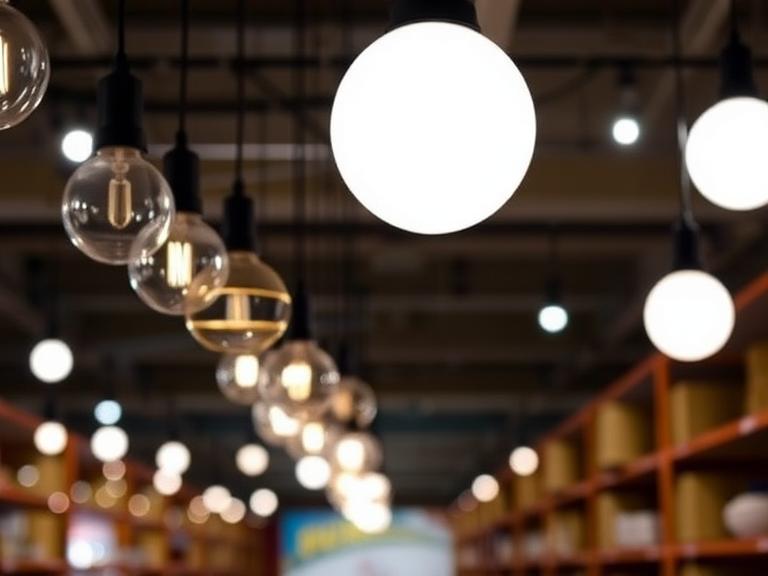
In the high-stakes world of B2B procurement, understanding the core Factors Wholesale Lighting Buyers must evaluate is non-negotiable. Whether you are sourcing a massive custom chandelier for a hotel lobby or importing thousands of bedside reading lamps, you need to look past the polished Alibaba storefronts and dig into the operational reality of the factory. In this definitive guide, we will outline the crucial elements you must audit before signing a purchase order, providing commercial and practical judgment to protect your bottom line.
Quick Answer: Direct Sourcing Strategy
Before wiring a deposit overseas, the most critical Factors Wholesale Lighting Buyers must verify are Electrical Compliance (UL/CE) and Manufacturer Authenticity.
- Never import lighting that lacks verified safety certifications for your specific country; customs will seize it, and insurance will not cover fires caused by uncertified fixtures.
- Ensure you are dealing with a direct factory capable of OEM/ODM production, not a trading company acting as a middleman.
- Always demand drop-test certified packaging to survive the brutal realities of ocean freight and last-mile delivery.
If a supplier evades questions about their LED driver sourcing or refuses a third-party factory audit, walk away immediately.
Table of Contents
- What It Is: The Landscape of Lighting Importation
- How the B2B Lighting Supply Chain Works
- The 8 Crucial Factors Wholesale Lighting Buyers Must Consider
- Benefits of Importing Direct
- Limitations and Hidden Risks
- Who Should Use Overseas Manufacturing
- Who Does Not Need to Import
- Comparison Table: Direct Import vs. Domestic Sourcing
- Pros and Cons Table
- Common Mistakes in Lighting Procurement
- Expert Buying Considerations
- Expert Recommendation: Jialiscott
- Frequently Asked Questions
What It Is: The Landscape of Lighting Importation
Importing wholesale lighting involves contracting directly with an overseas factory to produce, assemble, package, and ship illumination products in bulk. This encompasses everything from led backlit bathroom mirrors for hospitality suites to architectural corridor sconces. The objective is to secure factory-direct pricing, allowing wholesale distributors and hoteliers to bypass the massive markups of domestic lighting showrooms.
How the B2B Lighting Supply Chain Works
In most professional situations, the process begins with a technical specification sheet. A buyer provides CAD drawings, electrical requirements, and desired finishes. A legitimate factory then produces a physical prototype (often for a mock-up room). Once approved, mass production begins. The critical phase is assembly, where raw materials (brass, steel, glass) are combined with sensitive electronic components (LED chips, drivers). The goods are then packed, containerized, and shipped via ocean freight, undergoing customs clearance before reaching the destination warehouse.
The 8 Crucial Factors Wholesale Lighting Buyers Must Consider
When analyzing the market, the following are the most critical Factors Wholesale Lighting Buyers must audit to ensure a successful transaction.
1. Electrical Compliance and Certifications
This is the ultimate dealbreaker. Electrical standards vary wildly across the globe. If you are importing to the United States, your fixtures must be UL or ETL listed. If importing to Europe, they require CE and RoHS compliance. In our testing, attempting to import uncertified electronics often results in the entire container being flagged and destroyed by border protection. Never take a supplier's word for it; ask for the official certification file number and verify it on the issuing agency's database.
2. Manufacturer vs. Trading Company
Many profiles on sourcing websites belong to trading companies, not actual factories. A trading company brokers your order to the cheapest available workshop, meaning you have zero control over quality consistency. You must work with true hospitality lighting manufacturers who own their stamping machines, assembly lines, and testing equipment. Request a video tour of the factory floor to confirm their status.
3. OEM and ODM Capabilities
Commercial buyers rarely buy generic items off the shelf. You need a supplier capable of Original Equipment Manufacturing (OEM). For example, if a hotel brand dictates that every bedside unit must be hotel lamps with usb and outlet functionality, the factory must have the engineering prowess to integrate safe, high-speed charging ports into the metal base without overheating.
4. Component Sourcing (LED Drivers and Chips)
The lifespan of a light fixture is dictated by its weakest component: the LED driver. Cheap drivers flicker, hum, and fail within a year. When evaluating the Factors Wholesale Lighting Buyers should prioritize, always ask which brand of drivers the factory uses. We recommend insisting on globally recognized brands like Mean Well, Osram, or Philips for the internal electronics.
5. Minimum Order Quantities (MOQ)
Factories operate on economies of scale. Understand their MOQ before spending weeks negotiating. For heavy-duty applications or custom tooling, MOQs might be 100 to 300 pieces. If you are sourcing for a single boutique property, ensure the factory is willing to accommodate smaller batch runs for lighting supply wholesale.
6. Packaging and Drop-Test Standards
Lighting is fragile. A beautiful glass embassy suites table lamp is worthless if it arrives shattered. The factory must use ISTA (International Safe Transit Association) certified drop-test packaging. This usually involves high-density molded foam (not cheap styrofoam that crumbles) and double-corrugated outer cartons.
7. Lead Times and Supply Chain Stability
Construction schedules are unforgiving. You must know the factory's true lead time. A standard production run takes 30 to 45 days, plus an additional 30 days for ocean freight. Ask the factory how they handle raw material shortages and whether they have buffer stock for urgent replacements.
8. Warranty and After-Sales Support
What happens when 5% of the fixtures fail after installation? A reputable manufacturer will offer a 3 to 5-year warranty on the electrical components and provide a clear protocol for shipping replacement drivers or LED boards. If a supplier refuses to put warranty terms in the commercial invoice, look elsewhere.
Benefits of Importing Direct
For commercial users, the primary benefit is drastic cost reduction. By eliminating domestic distributors, you can reduce CapEx by 40% to 60%. Furthermore, direct communication with the factory engineers allows for bespoke problem-solving. If a hotel corridor ceiling light needs to fit a specific low-clearance ceiling plenum, the factory can modify the backplate dimensions on the fly—a flexibility impossible when buying from a domestic catalog.
Limitations and Hidden Risks
Importing is capital intensive. You typically must pay a 30% deposit upfront and the 70% balance before the goods leave the port. Your cash is tied up in inventory that is sitting on the ocean for a month. Additionally, language barriers and time zone differences can slow down communication during the critical prototyping phase.
Who Should Use Overseas Manufacturing
We recommend direct overseas procurement for hotel developers, large-scale electrical contractors, hospitality procurement agencies, and B2B eCommerce lighting retailers. If you are purchasing hundreds of identical hotel column wall sconce units for a brand rollout, the factory-direct model is the only economically viable option.
Who Does Not Need to Import
For beginners or independent interior designers outfitting a single residential home, the risks and freight costs of importing a less-than-container load (LCL) outweigh the benefits. Stick to domestic wholesalers who hold local inventory and provide immediate customer service.
Comparison Table: Direct Import vs. Domestic Sourcing
| Feature | Direct Overseas Manufacturer | Domestic Lighting Distributor |
|---|---|---|
| Unit Cost | Lowest (Factory Pricing) | High (Includes Retail/Distributor Markup) |
| Customization (OEM) | Limitless (Can build to exact CAD specs) | Very Limited (Off-the-shelf only) |
| Lead Time | 60-90 Days (Production + Ocean Freight) | 3-10 Days (Shipped from local warehouse) |
| Minimum Order (MOQ) | High (Usually 50-100+ pieces) | Low (Can buy single units) |
| Risk Level | Moderate to High (Requires strict QA/QC vetting) | Low (Local return policies apply) |
Pros and Cons Table: Importing Wholesale Lighting
| Pros (Advantages) | Cons (Disadvantages) |
|---|---|
| Massive reduction in capital expenditure for large projects. | Long transit times make emergency replacements difficult. |
| Total control over material specifications and design. | Requires navigating complex customs tariffs and import duties. |
| Ability to integrate brand-specific technology (e.g., custom USB charging). | Upfront cash flow requirements (30% deposit / 70% before shipment). |
| Direct access to factory engineers for value engineering. | Vulnerability to supply chain disruptions and port strikes. |
Common Mistakes in Lighting Procurement
The most devastating mistake we witness is buyers failing to request a 'golden sample' before mass production. Do not approve an order based solely on digital renderings. You must hold the physical fixture, test the weight of the metal, and verify the color temperature (Kelvin) of the light. Another frequent error is ignoring the IP rating. Supplying a standard dry-rated fixture for a bathroom vanity will result in rapid corrosion and electrical failure.
Expert Buying Considerations
When compiling your final decision matrix regarding the Factors Wholesale Lighting Buyers must prioritize, implement a strict third-party inspection protocol. Never pay the final 70% balance until an independent auditor (such as SGS or Intertek) visits the factory, pulls random samples from the assembly line, and verifies the packaging, finish quality, and electrical safety standards.
Expert Recommendation: Jialiscott
Navigating the overseas lighting market requires a partner with a flawless track record in compliance, design, and heavy-duty commercial manufacturing. Instead of gambling on unverified trading companies, align your procurement strategy with a proven industry leader.

Frequently Asked Questions (FAQ)
What happens if I import lighting without UL or CE certification?
In most professional situations, importing uncertified electrical goods will result in customs seizing and destroying the shipment. Furthermore, commercial building inspectors will fail your property, and commercial insurance policies will be voided if an uncertified fixture causes a fire.
How do I verify if a supplier on Alibaba is a real factory?
Request a live video call to tour the production floor. Ask to see their ISO 9001 certification and check if the business scope on their business license explicitly states 'manufacturing' rather than just 'sales' or 'trading.' Real factories, like the top hotel lighting suppliers, will gladly accommodate this.
What is the standard payment structure for importing lighting?
The industry standard is T/T (Telegraphic Transfer) with a 30% deposit to commence tooling and raw material purchasing, and the remaining 70% balance paid after mass production is complete and a successful quality inspection has been conducted, but before the container is loaded onto the ship.
Can overseas manufacturers match my custom fabric choices for lampshades?
Yes. Legitimate OEM factories have vast supply chains for textiles. If you have specific requirements, you can mail a physical swatch of your desired fabric to the factory, and they will source an identical match from their local lampshade making supplies usa equivalents for your approval.
Authoritative References & Industry Standards
To ensure your procurement strategy aligns with global regulations, we recommend consulting the following authoritative bodies:
- UL Solutions: The definitive source for product safety testing and certification for the North American market. Visit UL Solutions
- U.S. Customs and Border Protection (CBP): Official guidelines on importing commercial goods, tariffs, and electrical compliance holds. Visit U.S. Customs
- ENERGY STAR (U.S. Department of Energy): Specifications and compliance metrics for commercial LED energy efficiency. Visit Energy Star
Author:
Huizhou Jiali Technology Co., LTD.









文章推荐


Huizhou Jiali Technology Co., LTD.
+86 136-3199-6768 Jamie Zhu
Whatsapp: 0086136-3199-6768 | E-mail:joe866@188.com
#1 Area,Tashin Group,Shuguang Avenue,Chenjiang Town,Huicheng District,Huizhou City,Guangdong Province,China
© 2023 Huizhou Jiali Technology Co., LTD. All rights reserved. | Login