Welcome to the official website of [Huizhou Jiali Technology Co., LTD.]
Whatsapp: 0086136-3199-6768 | E-mail:joe866@188.com Latest Products | Get in Touch


10 Hotel Lighting Trends Shaping Guest Rooms in 2026
2026-08-25 22:19:25
Click:
“
10 Hotel Lighting Trends Shaping Guest Rooms in 2026:root {
--primar
”
The era of the generic, dimly lit hotel room is over. Today’s travelers do not just rent a bed; they lease an experience. In the hospitality sector, illumination is the silent ambassador of your brand. A poorly lit room immediately conveys neglect and obsolescence, while a masterfully illuminated space elevates perceived value, influences guest mood, and drives repeat bookings. As we push deeper into the decade, the standards for commercial interior design are shifting rapidly toward intelligent, space-saving, and highly aesthetic illumination systems.

From our experience supplying premium fixtures to luxury and boutique properties worldwide, the Hotel Lighting Trends defining 2026 are not fleeting fads. They are practical evolutions born from a necessity to reduce energy costs, minimize maintenance overhead, and cater to the hyper-connected, wellness-focused traveler. Whether you are constructing a new high-rise or retrofitting a legacy property, understanding these trends is critical. In this comprehensive guide, we will break down the top 10 trends, explain how they work, and provide expert commercial judgment on whether they belong in your next procurement cycle.
Quick Answer: The Future of Hospitality Lighting
The defining Hotel Lighting Trends for 2026 prioritize guest wellness, spatial efficiency, and cordless technology. The industry is moving away from static, bulky fixtures toward dynamic, human-centric LED systems. Key movements include the mass adoption of rechargeable cordless lamps, suspended bedside pendants to free up nightstand space, multi-functional acoustic and climate-control lighting, and circadian-rhythm-synced ambient illumination. For commercial buyers, upgrading to these systems is not just an aesthetic choice—it is a measurable investment in energy efficiency and guest satisfaction.
Table of Contents
- What Are the Defining Hotel Lighting Trends for 2026?
- Benefits of Upgrading Guest Room Illumination
- Limitations and Implementation Challenges
- Who Should Adopt These Trends (And Who Should Not)
- Pros vs Cons: Smart vs Traditional Lighting
- Common Mistakes Hoteliers Make with Lighting
- Comparison Table: Legacy vs 2026 Standards
- Buying Considerations for Commercial Buyers
- Expert Recommendation from JialiScott
- Frequently Asked Questions
What Are the Defining Hotel Lighting Trends for 2026?
The hospitality lighting landscape has evolved from simple on/off utility to a highly curated architectural feature. Here are the 10 trends dictating procurement in 2026.
1. Human-Centric (Circadian) Smart Lighting
How it works: Human-centric lighting mimics the natural progression of the sun. Using tunable LED systems, the room's color temperature automatically adjusts throughout the day. It provides crisp, cool daylight (4000K-5000K) in the morning to energize the guest, and slowly transitions to a warm, amber glow (2200K-2700K) in the evening to promote melatonin production.
In our testing, properties that implement circadian lighting report significantly higher scores in guest sleep quality reviews. It is highly recommended for luxury and wellness-focused boutique hotels.
2. The Reign of the Cordless Lamp
Traditional desk and lounge lamps require proximity to a wall outlet, severely limiting furniture layouts and creating trip hazards with exposed wiring. The solution is the Cordless Lamp. Powered by commercial-grade lithium batteries, these lamps offer up to 24 hours of continuous illumination. They allow guests to move lighting to the balcony, the dining table, or the reading nook without restriction. Housekeeping simply docks them on a magnetic charging tray during room turnover.
3. Suspended Bedside Pendants
Nightstand real estate is precious. Guests need space for laptops, smartphones, water bottles, and reading materials. The bulky bedside table lamp is being phased out in favor of sleek hotel pendant lights. Dropping from the ceiling directly over the nightstand, pendants provide targeted reading light while leaving the surface completely clear. This minimalist approach visually expands the room.
4. Integrated LED Vanity Mirrors
Bathrooms are shifting from harsh overhead recessed cans to integrated front-facing illumination. An LED Mirror provides shadow-free, uniform lighting ideal for grooming and makeup application. In 2026, these mirrors feature anti-fog heating elements and touch-dimming capabilities, combining three utility fixtures into one elegant piece.
5. Acoustic and Climate Hybrid Lighting
Space efficiency is paramount. We are seeing a massive surge in hybrid fixtures that handle illumination, air circulation, and sound dampening. A modern Fan equipped with a high-CRI LED array eliminates the need for separate floor fans and ceiling dome lights, streamlining the ceiling topography while drastically improving room airflow.
6. Nostalgic and Artisan Glass Accents
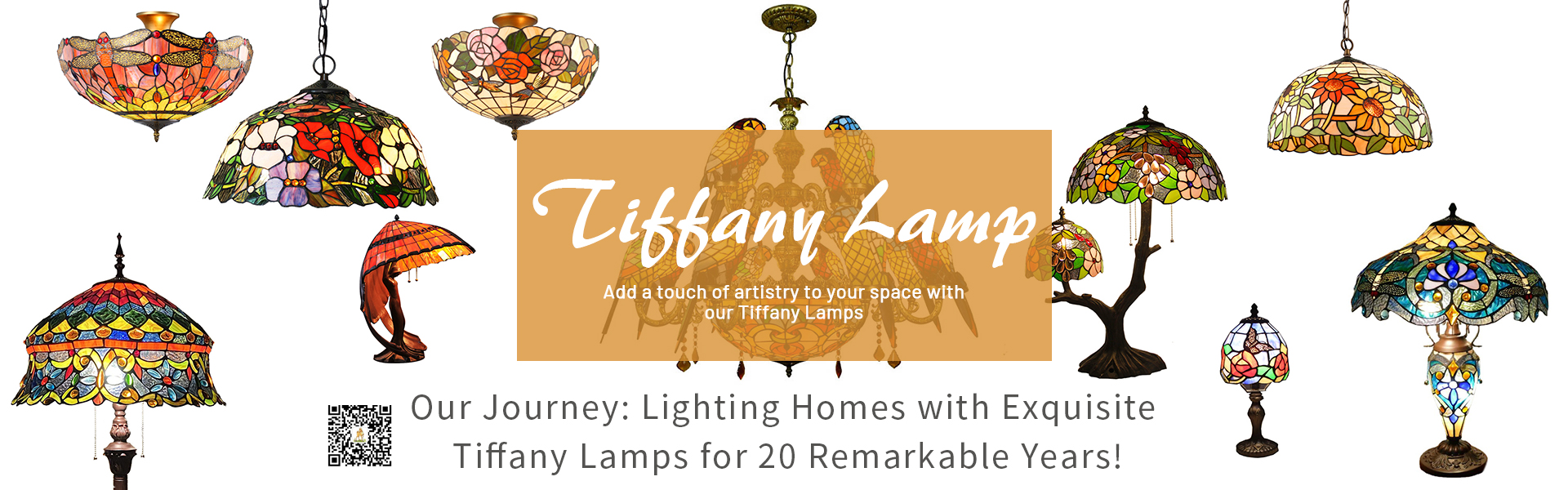
While technology drives the underlying systems, the aesthetic finish is seeing a return to craftsmanship. Generic white fabric shades are being replaced by colored, textured glass. Adding a bespoke Tiffany Lamp or a handcrafted glass sconce injects distinct personality and warmth into a room, acting as a functional piece of art rather than just a utility fixture.
7. Architectural Floor Lamps for Space Definition
Open-concept guest suites require visual boundaries. Instead of erecting physical partitions, designers are using hotel floor lamps to define the transition from the sleeping area to the lounge or workspace. Arced and sculptural floor lamps draw the eye and create cozy, intimate micro-zones within a larger suite.
8. Low-Glare, High-Focus Reading Sconces
Guests reading in bed want illumination that does not disturb their partner. Modern hotel wall lamps feature articulating, tightly focused micro-LED beams. These fixtures utilize deeply recessed diodes and honeycomb louvers to achieve near-zero lateral glare, placing the light exactly on the page and nowhere else.
9. Minimalist Overhead Arrays
The traditional central 'boob light' flush mount is entirely obsolete. Today’s hotel ceiling lights are either highly architectural statement chandeliers or invisible trimless downlights. The goal is to wash the walls with light rather than creating a glaring hotspot in the center of the ceiling.
10. Streamlined Workstation Illumination
Business travelers expect functional desks. However, traditional desk lamps are often too large. The 2026 standard dictates ultra-slim, linear hotel table lamps equipped with integrated USB-C charging ports and Qi wireless charging pads. This consolidation reduces wire clutter and serves the dual purpose of lighting and device management.
Benefits of Upgrading to 2026 Hotel Lighting Trends
The transition to modern Hotel Lamp standards is not merely an aesthetic exercise; it yields hard commercial benefits. First, the switch to commercial-grade LEDs slashes energy consumption by up to 75% compared to legacy incandescent or halogen systems. Second, implementing cordless and pendant lighting reduces the wear and tear on wall outlets and table surfaces. Finally, high-quality, high-CRI (Color Rendering Index) lighting makes room finishes, fabrics, and even the guests themselves look better, subconsciously elevating their perception of your property's value.
Limitations and Implementation Challenges
We believe in commercial and practical judgment: upgrading lighting systems carries inherent challenges. The primary limitation is the initial Capital Expenditure (CapEx). Ripping out legacy wiring to install ceiling pendants or networked smart lighting requires significant renovation budgets. Furthermore, highly networked 'smart' lighting systems require robust IT infrastructure. If your hotel's Wi-Fi goes down, your guests must still be able to turn on the lights. Fail-safes and manual overrides are absolutely mandatory.
Who Should Adopt These Trends (And Who Should Not)
For commercial users and luxury brands: Boutique hotels, four- and five-star resorts, and modern business chains must aggressively adopt these trends. Features like circadian lighting and integrated LED mirrors are rapidly becoming baseline expectations for premium travelers. If you operate specialized maritime hospitality, upgrading to marine-grade Cruise Ship Lighting Systems that feature anti-vibration and anti-corrosion properties is non-negotiable.
Who does not need it: Budget, highway-side motels operating on razor-thin margins do not need complex, app-controlled circadian lighting. For these applications, extreme durability and low replacement costs govern. They should stick to standard, high-efficiency LED wall sconces and simple desk lamps, avoiding systems with high technical complexity.
Pros vs Cons: Trendy Smart Lighting vs Traditional Static Lighting
| Lighting Strategy | Pros | Cons |
|---|---|---|
| 2026 Smart / Human-Centric Lighting | Enhances guest wellness and sleep quality. Can be integrated into property management systems for energy savings (auto-off when empty). Highly marketable feature. | High upfront hardware and installation costs. Requires ongoing software maintenance. Can confuse elderly or non-technical guests if UI is poor. |
| Traditional Static LED Lighting | Extremely low initial cost. Zero learning curve for guests (simple switch). No network infrastructure required. | Provides a generic, unmemorable experience. Cannot adapt to different times of day or guest moods. Lacks automated energy-saving controls. |
Common Mistakes Hoteliers Make with Lighting
From our experience consulting with hospitality groups, the most catastrophic mistake is overcomplicating the user interface. Guests are tired after a long day of travel. If they have to navigate an iPad app or a confusing multi-button wall panel just to turn off the bedside lamp, they will leave a negative review. Controls must be intuitive, tactile, and easily reachable from the bed.
Another major error is purchasing residential-grade fixtures for a commercial environment. A lamp designed for a home living room will not survive the heavy-duty abuse of hotel room turnovers. Commercial buyers must source fixtures with heavy weighted bases, commercial-grade switches, and robust Lighting Accessories designed to withstand chemical cleaning agents and constant handling.
Comparison Table: Legacy Standards vs 2026 Trends
| Room Zone | Legacy Standard (Pre-2020) | 2026 Trend Standard |
|---|---|---|
| Bedside | Matching bulky ceramic table lamps | Suspended pendants or articulating reading sconces |
| Desk / Workstation | Standard task lamp taking up 20% of desk space | Ultra-slim linear LED with integrated USB-C charging |
| Bathroom Vanity | Overhead fluorescent tubes or bare bulbs | Integrated, edge-lit, anti-fog LED mirrors |
| Lounge Area | Stationary floor lamp near wall outlet | Rechargeable cordless lamps offering mobility |
Buying Considerations for Commercial Hospitality Buyers
When executing a multi-room procurement strategy, purchasing decisions must be driven by long-term Total Cost of Ownership (TCO), not just the initial unit price. Evaluate your suppliers based on the following criteria.
| Consideration Factor | What to Look For | Why It Matters |
|---|---|---|
| OEM/ODM Capabilities | A manufacturer that controls their own production facility and offers customization. | Allows you to match the exact brand aesthetic of your hotel rather than settling for off-the-shelf catalogs. |
| Durability & Warranty | Heavy-gauge metals, commercial-grade powder coating, and a minimum 3-5 year warranty. | Hospitality environments destroy cheap fixtures. You need hardware built for heavy-duty applications. |
| Ease of Maintenance | Standardized, easily replaceable LED modules or bulbs, and wipeable surfaces. | Housekeeping needs to clean fixtures rapidly. Engineering needs to swap drivers without replacing the whole lamp. |
| Compliance & Certification | UL, CE, RoHS, and FCC certifications depending on your region. | Non-certified electrical fixtures are a severe fire hazard and void commercial insurance policies. |
Expert Recommendation from JialiScott
In most professional situations, treating lighting as a last-minute procurement afterthought results in disjointed room designs and high replacement costs. We recommend partnering directly with a primary manufacturer who understands the unique rigors of the hospitality industry to supply your Popular Lamp selections.
Professional Wholesale Hotel Lamps & Home Lighting Manufacturer
Since 2009, JialiScott has delivered premium lighting solutions worldwide—trusted by international hospitality groups, wholesalers, and eCommerce leaders. Operating a modern 6000+ m² facility, our 15+ years of manufacturing excellence allow us to offer full-service OEM/ODM solutions. We don't just sell lamps; we engineer durable, design-forward illumination systems that lower your maintenance costs and profoundly elevate your guest experience. Whether you are executing a 50-room boutique retrofit or a 500-room luxury tower build, JialiScott is your definitive lighting partner.
Frequently Asked Questions (FAQ)
Are cordless lamps reliable enough for commercial hotel use?
Yes. Modern commercial-grade cordless lamps feature high-capacity lithium-ion batteries that provide 12 to 24 hours of continuous illumination on a single charge. In most professional situations, housekeeping simply places them on magnetic charging docks during daily room turnovers, ensuring they are always ready for the guest.
What is human-centric lighting in hospitality?
Human-centric lighting (or circadian lighting) utilizes smart LED technology to adjust color temperature and brightness throughout the day. It mimics natural sunlight—providing cool, energizing light in the morning and shifting to warm, melatonin-preserving amber light in the evening to improve guest sleep quality.
Why should hotels replace traditional table lamps with pendant lights?
Replacing bulky bedside table lamps with suspended pendant lights frees up valuable nightstand real estate. This minimalist approach reduces clutter, prevents lamps from being knocked over, and creates a highly modernized, upscale aesthetic in the guest room.
Authoritative References
To ensure our manufacturing standards and design recommendations align with the highest levels of safety and efficiency, we rely on data and guidelines from the following organizations:
- Illuminating Engineering Society (IES) - The recognized technical and educational authority on illumination standards and practices.
- American Hotel & Lodging Association (AHLA) - Providing operational guidelines and guest experience benchmarks for the hospitality industry.
- U.S. Department of Energy (DOE) - LED Lighting - Research and standards regarding the energy efficiency and environmental impact of commercial solid-state lighting.
Author:
Huizhou Jiali Technology Co., LTD.









Prev : Are Fabric Lamp Shades Safe? An Industry Expert's Definitive Guide
Next : 8 Types of Hotel Lighting Every Hospitality Project Should Consider
文章推荐


Huizhou Jiali Technology Co., LTD.
+86 136-3199-6768 Jamie Zhu
Whatsapp: 0086136-3199-6768 | E-mail:joe866@188.com
#1 Area,Tashin Group,Shuguang Avenue,Chenjiang Town,Huicheng District,Huizhou City,Guangdong Province,China
© 2023 Huizhou Jiali Technology Co., LTD. All rights reserved. | Login