Welcome to the official website of [Huizhou Jiali Technology Co., LTD.]
Whatsapp: 0086136-3199-6768 | E-mail:joe866@188.com Latest Products | Get in Touch


9 Different Colors of Lamp Shades: A Professional Lighting Guide
2026-08-10 20:27:41
Click:
“
9 Different Colors of Lamp Shades: A Professional Lighting Guide:root {
--pr
”
Choosing a lamp shade is rarely just about matching your upholstery. As an industry practitioner deeply embedded in the manufacturing side of commercial and residential lighting, I constantly see buyers make critical errors when selecting the hue of their fixtures. The reality is that different colors of lamp shades act as optical filters, fundamentally altering the lumen output, color rendering index (CRI), and emotional atmosphere of a space.

From our experience engineering thousands of fixtures since 2009 at JialiScott, the color of your shade dictates whether a room feels like a sterile hospital waiting area, a cozy luxury suite, or an oppressive cave. We recommend abandoning the mindset that shades are purely decorative. They are functional light manipulators. This guide will walk you through the precise physics, aesthetics, and practical applications of the top shade colors so you can make an educated buying decision.
Quick Answer: Which of the different colors of lamp shades should you choose?
If you need maximum ambient illumination and task lighting, white or cream shades are the undisputed winners, offering high light transmittance and color accuracy. If you require focused, directional lighting (like bedside reading) while keeping the rest of the room dark, choose opaque black or dark grey shades with a white inner lining. Warm colors (red, gold) create intimate, moody atmospheres suitable for hospitality lounges, while cool colors (blue, green) provide calming, localized accents but should not be used as primary light sources. For commercial users, white remains the safest and most functional investment.
Table of Contents
- What It Is: The Science of Shade Colors
- How Shade Color Affects Lighting Output
- Quick Summary Table: 9 Shade Colors
- The 9 Different Colors of Lamp Shades Explained
- Benefits of Using Colored Shades
- Limitations of Colored Shades
- Who Should Use Colored Shades (And Who Does Not Need Them)
- Common Mistakes Buyers Make
- Buying Considerations
- Expert Recommendation from JialiScott
- Frequently Asked Questions
- References
What It Is: The Science of Shade Colors
When we discuss different colors of lamp shades, we are referring to the exterior fabric, paper, metal, or glass material that surrounds the light bulb. The color of this material interacts with the photons emitted by the light source. It either absorbs certain wavelengths, reflects them, or transmits them through the material into your room.
In most professional situations, we evaluate shade color based on two metrics: Transmittance (how much light passes through the shade) and Reflectance (how much light bounces off the interior). A dark red shade, for example, absorbs the blue and green wavelengths of your light bulb, only allowing red wavelengths to pass through. This drastically changes the color temperature of the entire room.
How Shade Color Affects Lighting Output
Understanding how shade color works requires looking at the interior lining as much as the exterior. In our testing at JialiScott, an opaque black shade with a reflective gold inner lining produces an entirely different light profile than a black shade with a white inner lining. The exterior color dictates the ambient glow (if the material is translucent), while the interior color dictates the temperature and brightness of the directional light spilling from the top and bottom of the fixture.
Quick Summary Table: 9 Shade Colors
| Shade Color | Light Transmittance | Best Application | Atmosphere Created |
|---|---|---|---|
| White | Very High | Living rooms, workspaces, hotel rooms | Bright, clean, accurate |
| Cream / Ivory | High | Bedrooms, residential dining areas | Warm, cozy, inviting |
| Black | Zero to Very Low | Modern offices, dramatic accent lighting | Moody, sophisticated, directional |
| Grey | Medium to Low | Transitional spaces, modern living rooms | Neutral, contemporary, subdued |
| Red | Medium | Bars, lounges, eclectic living spaces | Energetic, intimate, intense |
| Blue | Low | Nurseries, coastal-themed rooms | Calming, cool, subdued |
| Green | Low | Libraries, home offices, traditional dens | Focused, classic, restful |
| Yellow / Gold | Medium to High | Dark corners, eclectic spaces | Vibrant, cheerful, warm |
| Patterned / Multi | Variable | Statement pieces, maximalist decor | Artistic, focal, decorative |
The 9 Different Colors of Lamp Shades Explained
1. White: The Undisputed Standard
White shades are the backbone of the lighting industry. As a custom lighting fixtures manufacturer, we produce more white shades than any other color combined. White offers the highest light transmittance, meaning your room actually receives the lumens you paid for. Furthermore, white does not alter the color temperature of your bulb. If you buy a 3000K bulb, a white shade ensures your room is bathed in 3000K light. For beginners and professionals alike, white is the safest, most functional choice for ambient room illumination.
2. Cream and Ivory: The Warm Diffuser
If pure white feels too clinical, cream and ivory are the perfect alternatives. These shades softly filter the light, removing harsh glare and casting a subtle, flattering warmth across the room. We heavily utilize cream shades in our hotel project lighting case study implementations because they make guests look and feel relaxed. They are ideal for bedside tables and living room reading lamps.
3. Black: The Directional Sculptor
Black lamp shades are often misunderstood. They do not illuminate a room; they sculpt it. Because black fabric absorbs light, a translucent black shade is practically an oxymoron. Black shades are almost always opaque, forcing the light to pool directly above and below the fixture in an hourglass shape. This is strictly for dramatic, directional downlighting. If you are trying to light a large room with black shades, you will fail. They are best used to create moody, high-contrast environments.
4. Grey: The Modern Neutral
Grey shades have surged in popularity in contemporary interior design. They offer a middle ground: they reduce glare significantly more than white shades but aren't as oppressive as black. However, in our testing, grey shades can make a room feel slightly overcast or dreary if paired with cool-toned light bulbs (4000K+). Always pair grey shades with warm white bulbs (2700K) to keep the space inviting.
5. Red: The Moody Accent
Red shades are aggressive light filters. They bathe the surrounding area in a rosy, intimate glow that completely distorts natural colors. You would never use a red shade on a desk where you need to read documents or apply makeup. However, in hospitality settings like cocktail bars or intimate dining booths, red shades create an unparalleled sense of warmth and exclusivity.
6. Blue: The Cool Calmer
Blue shades filter out warm light, emitting a cool, calming aura. While this sounds pleasant for a bedroom, blue light actually suppresses melatonin production, which can interfere with sleep. We recommend blue shades strictly as decorative accent lighting in coastal-themed rooms or daytime living areas, rather than primary evening lighting.
7. Green: The Classic Library Choice
Think of the classic banker's lamp. Green shades have a rich history in libraries and offices because green light is traditionally thought to be restful on the eyes. A dark green shade blocks ambient glare while forcing clean light down onto a desk surface (assuming the interior is white). It is a highly specific aesthetic, perfect for traditional studies, but it is not versatile enough for modern living rooms.
8. Yellow and Gold: The High-Energy Glow
Yellow or gold shades act like a setting sun in your room. They amplify the warmth of a bulb, casting a high-energy, cheerful glow. If you have a room with small windows that feels dreary during the winter, a large floor lamp with a yellow or gold shade can simulate sunlight. However, they command a lot of visual attention and can easily clash with minimalist decor.
9. Patterned and Multi-Colored: The Decorative Focal Point
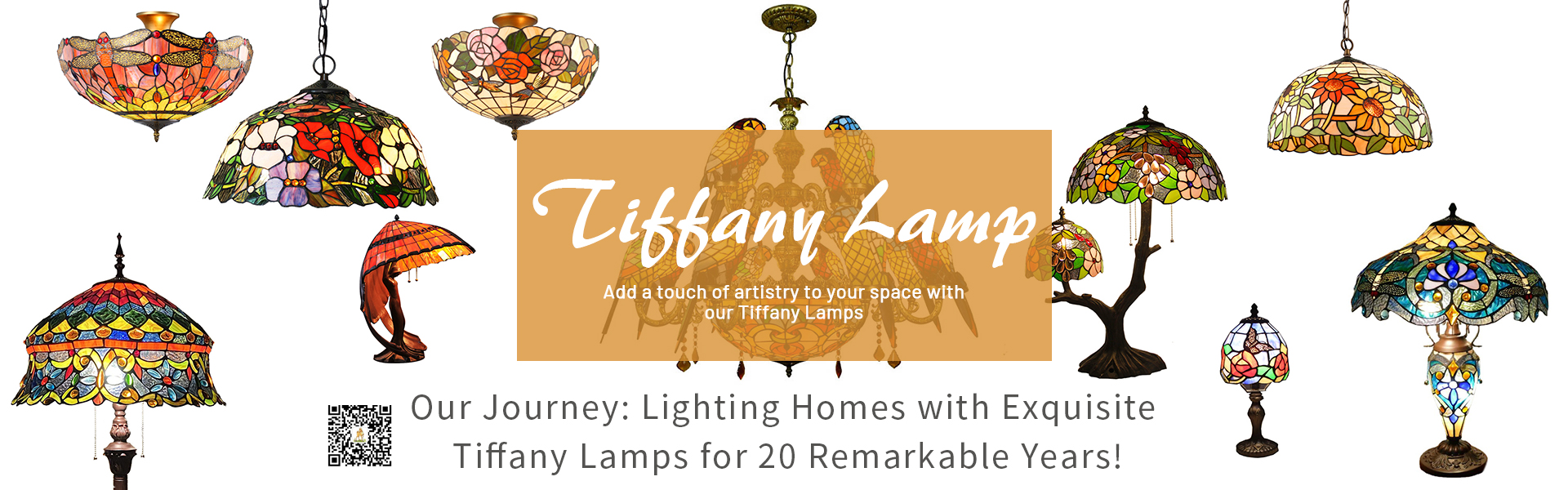
When you move into patterned shades—like a classic Tiffany Lamp—you are buying illuminated art, not a functional light source. The varied colors create a stained-glass effect that is beautiful to look at but terrible for illuminating a room. Use these on console tables or sideboards strictly as decorative focal points.
Benefits of Using Colored Shades
Moving away from standard white shades offers distinct architectural advantages. Colored shades allow you to manipulate the mood of a room without changing the paint or furniture. A dark shade can hide the bulb hardware completely, offering a cleaner look. Furthermore, thick, dark shades eliminate horizontal glare, which is crucial in spaces with televisions or computer monitors, making them highly practical for media rooms.
| Pros of Colored Shades | Cons of Colored Shades |
|---|---|
| Controls and reduces unwanted screen glare. | Significantly reduces overall lumen output (brightness). |
| Creates specific emotional atmospheres (warmth, intimacy). | Alters the color rendering of the room (makes skin look odd). |
| Serves as a standalone decorative art piece. | Harder to match with changing room decor. |
| Dark shades hide interior hardware and bulbs. | Requires higher wattage bulbs to achieve the same ambient light. |
Limitations of Colored Shades
The primary limitation is lumen loss. If you place a 60-watt equivalent LED inside a navy blue shade, the functional light output of the room drops by up to 60% compared to a white shade. Additionally, colored shades ruin Color Rendering Index (CRI). If you have beautiful artwork or expensive food in a dining room, casting a green or red hue over them will make them look terrible. This is why hospitality lighting manufacturers rarely use heavily saturated colors in main guest areas.
Who Should Use Colored Shades (And Who Does Not Need Them)
Who should use them: Interior designers looking to create 'zones' within an open-concept room. Boutique hotel operators wanting to establish a moody, highly stylized brand aesthetic. Homeowners designing home theaters, reading nooks, or eclectic lounges where atmosphere trumps visual acuity.
Who does not need them: If you are outfitting a home office, a kitchen counter, a bathroom vanity, or a corporate workspace, you do not need colored shades. You need pure, unfiltered light. In these environments, stick to white shades, glass globes, or specialized led backlit bathroom mirrors for accurate task lighting.
Common Mistakes Buyers Make
The most catastrophic mistake we see is mismatching bulb temperature with shade color. Never pair a cool-white LED (5000K) with a warm yellow or red shade; the conflicting wavelengths create a sickly, greenish-brown light that is deeply uncomfortable to sit in. Always pair colored shades with warm bulbs (2700K - 3000K) to harmonize the light output.
Another common error is ignoring the interior lining. If you buy a black shade with a black interior, it will absorb almost all the light. If you need that black lamp to actually function as a reading light, you must ensure it has a white or metallic gold interior lining to reflect the light downward.
Buying Considerations
Before purchasing your lighting fixtures, apply commercial judgment to your specific needs. Use the following guide to direct your buying decision.
| Buying Consideration | What to Look For | Practical Advice |
|---|---|---|
| Primary Goal: Ambient Lighting | White, Cream, Light Linen | Choose a drum shape with an open top and bottom to maximize light spread. |
| Primary Goal: Task / Reading | Opaque Dark Colors (Black/Navy) | Must have a white interior lining. Ensure the bottom of the shade sits at eye level. |
| Primary Goal: Decoration | Patterned, Red, Blue, Gold | Use lower wattage bulbs to create a glowing effect without harsh hot-spots. |
| Commercial / Hotel Setup | Durable White/Off-White Fabric | Look for shades paired with functional bases, like hotel lamps with usb and outlet. |
Expert Recommendation from JialiScott
The Professional Verdict
In most professional situations, versatility is king. If you are upgrading your home or managing a commercial procurement project, we highly recommend anchoring your core lighting strategy with white, cream, or light grey shades. These colors ensure your space remains functional, bright, and timeless. Reserve aggressive colors—like black, red, or intricate patterns—for secondary accent lamps where light output is not critical.
When selecting your fixtures, remember that the shade is only half the equation. The quality of the base, the integrated technology (like USB ports), and the wiring dictate the lifespan of the product. Invest in commercial-grade fixtures that balance aesthetic shade design with heavy-duty construction.
JialiScott: Professional Wholesale Hotel Lamps & Home Lighting
Since 2009, JialiScott has delivered premium lighting solutions worldwide — trusted by hospitality groups, wholesalers, and eCommerce leaders. With a 6000+ m² modern facility and 15+ years of manufacturing excellence, we provide full-service OEM/ODM solutions. Need reliable Lighting Accessories or custom hospitality setups? We engineer lighting that performs.
Frequently Asked Questions
Do dark lamp shades block too much light?
Yes, dark lamp shades (like black, navy, or deep grey) block almost all horizontal ambient light. They are not suitable for illuminating an entire room. Instead, they force the light vertically out of the top and bottom of the shade, making them excellent for focused task lighting or dramatic accenting, provided the interior lining is reflective.
What is the best lamp shade color for a bedroom?
For a bedroom, cream, ivory, or warm off-white shades are the best choices. These different colors of lamp shades naturally filter the light to create a soft, warm, and relaxing environment conducive to sleep, without being as stark or clinical as pure white.
Can I put a smart LED bulb in a colored lamp shade?
You can, but it defeats the purpose of color-changing smart bulbs. If you have a red lamp shade, setting your smart bulb to blue will result in a muddy, dim output. If you plan to use RGB smart bulbs to change your room's color, you must use a pure white, highly translucent lamp shade to allow the bulb's colors to display accurately.
Authoritative References & Industry Standards
To ensure our manufacturing guidelines align with global commercial standards, the principles discussed in this article adhere to research and metrics established by the following authorities:
- Illuminating Engineering Society (IES) - Standards on light reflectance, transmittance, and commercial hospitality lighting guidelines.
- American Society of Interior Designers (ASID) - Best practices regarding the psychological impact of color temperature and aesthetic material selection in interior environments.
- Lighting Research Center (LRC) at Rensselaer Polytechnic Institute - Peer-reviewed research on Color Rendering Index (CRI) and the physical manipulation of light through semi-opaque materials.
Author:
Huizhou Jiali Technology Co., LTD.









Prev : The Top 8 Commercial Grade Christmas Lights Wholesale Suppliers in the World
Next : 9+ Bathroom Lights Over Mirror Ideas 2026: An Expert Commercial Guide
文章推荐


Huizhou Jiali Technology Co., LTD.
+86 136-3199-6768 Jamie Zhu
Whatsapp: 0086136-3199-6768 | E-mail:joe866@188.com
#1 Area,Tashin Group,Shuguang Avenue,Chenjiang Town,Huicheng District,Huizhou City,Guangdong Province,China
© 2023 Huizhou Jiali Technology Co., LTD. All rights reserved. | Login