Welcome to the official website of [Huizhou Jiali Technology Co., LTD.]
Whatsapp: 0086136-3199-6768 | E-mail:joe866@188.com Latest Products | Get in Touch


7 Things You Need to Know for Custom Lamp Shades
2026-07-27 19:33:06
Click:
“
7 Things You Need to Know for Custom Lamp Shadesbody {
font-family: 'Hel
”
Welcome to JialiScott, a trusted global manufacturer and exporter of premium lighting fixtures. Since 2009, we have operated a modern 6,000㎡ production facility, delivering complete solutions from product design and development to mass production and after-sales service. With a strong focus on quality, innovation, and reliability, we serve hospitality groups, wholesalers, retailers, and eCommerce businesses worldwide.
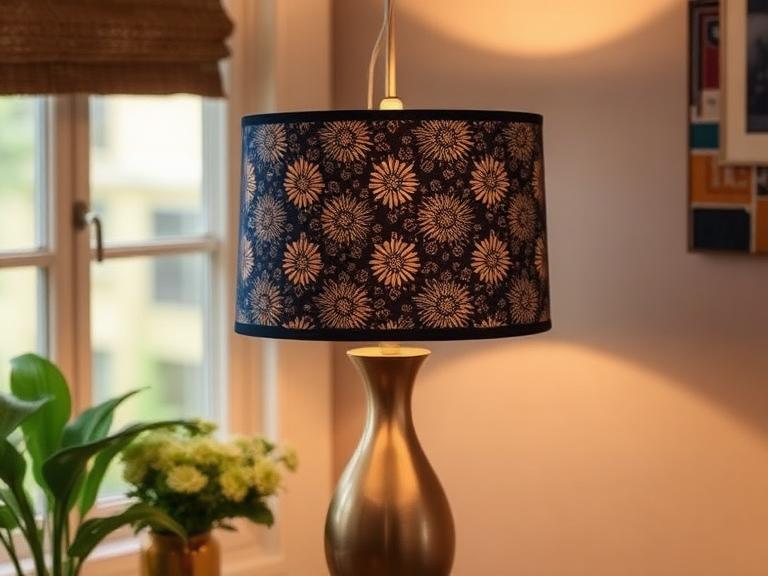
When outfitting a commercial space or a high-end residential project, standard off-the-shelf lighting rarely cuts it. Settling for generic shades often results in poor light diffusion, mismatched proportions, and accelerated degradation under heavy use. Specifying custom lamp shades allows interior designers and procurement teams to dial in the exact aesthetic, durability, and illumination required for a space. However, navigating the custom manufacturing process requires a strict understanding of materials, fitters, and commercial safety standards.
Quick Answer: The Bottom Line on Custom Lamp Shades
If you are deciding whether custom lamp shades are the right move for your project, here is the immediate verdict: Yes, they are absolutely essential for commercial projects, hospitality environments, and cohesive brand designs. To successfully procure them, you must know these seven things:
- Fitter Types: Spiders, Unos, and Clip-ons dictate how the shade mounts.
- Hardback vs. Softback: Hardbacks use a styrene lining for crisp shapes; softbacks use fabric linings for traditional elegance.
- Proportional Geometry: The 2:3 ratio of shade-to-base is an industry standard rule.
- Translucency: The outer material and inner lining determine if the light is ambient or directional.
- Safety Standards: Commercial shades must meet strict UL or CE heat and fire retardancy ratings.
- Manufacturing Scale: High-volume hospitality requires specific MOQs and quality control.
- The Drop: The distance from the top of the shade to the fitter is crucial to hide the bulb hardware.
Table of Contents
- Direct Answer: Are Custom Lamp Shades Worth It?
- What It Is and How It Works
- The 7 Things You Must Know
- The Benefits of Going Custom
- The Limitations of Custom Orders
- Who Should Use Custom Shades (And Who Doesn't Need Them)
- Common Mistakes in Shade Specification
- Buying Considerations & Manufacturer Vetting
- Expert Recommendation
- Frequently Asked Questions
- Authoritative References
Direct Answer: Are Custom Lamp Shades Worth It?
Explain not only WHAT something is, but WHETHER it is actually worth using, buying, or upgrading. From our experience manufacturing lighting for global hospitality brands, custom lamp shades are categorically worth the investment if you are outfitting a hotel, a restaurant, or launching a proprietary retail line. Standard shades are mass-produced with cheap PVC backings that yellow and crack under the prolonged heat of commercial use. Upgrading to custom manufacturing allows you to dictate commercial-grade styrene, fire-retardant fabrics, and exact dimensions that ensure the light source is properly concealed. If you need 200 identical lamps for a hotel renovation, off-the-shelf purchasing is an operational liability; custom manufacturing is a strategic asset.
What It Is and How It Works
A custom lamp shade is a bespoke light-diffusing cover engineered to specific dimensions, materials, and mounting requirements. The process begins with a detailed specification sheet detailing the Top Diameter, Bottom Diameter, and Slant (or Height).
How it works on the factory floor involves several precise steps. For a hardback shade, commercial-grade fabric is laminated to a rigid styrene backing. This composite material is precision-cut using CNC machinery, rolled into the desired shape (drum, empire, bell, etc.), and adhered to custom-welded steel wire rings at the top and bottom. The edges are then meticulously rolled and taped. In most professional situations, we ensure the steel rings are treated to prevent rust in damp environments, a critical step often skipped by budget manufacturers.
Quick Summary Table: The Manufacturing Process
| Phase | Process Detail | Commercial Importance |
|---|---|---|
| Wire Framing | Welding steel rings to the exact specified top and bottom diameters. | Ensures structural integrity and correct seating of the fitter. |
| Lamination | Bonding fabric (linen, silk, cotton) to a styrene backing. | Prevents the fabric from sagging and dictates light transmission. |
| Assembly | Rolling the laminated material around the wire frame and sealing the seam. | Creates the final geometric shape without visible glue lines. |
| Finishing | Applying trim, rolling edges, and conducting safety inspections. | Ensures the shade passes rigorous aesthetic and safety standards. |
The 7 Things You Must Know Before Ordering
1. Fitter Types Dictate Compatibility
You can design the most beautiful shade in the world, but if the fitter is wrong, it is useless. The fitter is the metal hardware connecting the shade to the lamp. The Spider fitter is the most common for table and floor lamps, sitting on top of a harp and secured with a finial. The Uno fitter slips directly over the threaded socket (common in modern pendant drops and swing-arm lamps). Clip-on fitters snap directly onto the lightbulb, but these are generally restricted to small, low-wattage accent lamps. Specify your fitter before you specify your fabric.
2. Hardback vs. Softback Construction
Hardback shades utilize a stiff plastic (styrene) lining. They offer a crisp, modern aesthetic and are highly durable, making them our top recommendation for high-traffic environments like an embassy suites table lamp. Softback shades lack this rigid lining; instead, the fabric is stretched over a full wire cage and usually lined with a secondary soft fabric. Softbacks are traditional, elegant, and often feature pleats, but they are harder to clean and maintain in commercial settings.
3. The Proportional Geometry (The 2:3 Rule)
In interior design, proportion is everything. A shade that is too small makes a lamp look top-heavy; a shade that is too large looks comically oversized. The general rule of thumb is that the bottom diameter of the shade should be roughly two-thirds the height of the lamp base. Furthermore, the height of the shade should be approximately 40% of the total height of the lamp. When we design a hotel lobby table lamp, these proportions are mathematically calculated before a single prototype is made.
4. Inner Linings and Light Transmittance
The fabric on the outside dictates the look when the lamp is off, but the lining dictates the mood when the lamp is on. A standard white styrene lining allows for maximum ambient light diffusion. However, if you specify a gold or silver foil lining, the shade becomes completely opaque, forcing all the light strictly up and down. This is an excellent tactic for dramatic, moody lighting over a bar or restaurant table.
5. The Importance of 'The Drop'
The 'drop' refers to how far down the spider fitter is recessed into the top of the shade. If your drop is too shallow, the harp and socket will be visible from the side, ruining the aesthetic. A standard drop is 1/2 inch to 1 inch, but custom shades often require deeper drops depending on the specific hardware of the lamp base.
6. Heat Dissipation and Safety Standards
For heavy-duty applications, safety cannot be compromised. Incandescent and halogen bulbs generate immense heat. If a shade is too narrow at the top, the heat cannot escape, leading to scorched fabric, melted styrene, or even a fire hazard. Even with the widespread adoption of LEDs, commercial shades must meet specific spacing requirements between the bulb and the shade wall. Always ensure your manufacturer complies with regional safety certifications.
7. Minimum Order Quantities (MOQs) and Logistics
Custom manufacturing requires setting up specific molds, cutting dies, and material sourcing runs. Therefore, true custom manufacturers rarely produce a single shade. Understanding MOQs is critical for commercial buyers. At JialiScott, we leverage our 6,000㎡ facility to scale production efficiently, ensuring that whether you need 100 shades for a boutique property or 5,000 for a global rollout, the final unit matches the approved prototype perfectly.
The Benefits of Going Custom
Customization provides total control over the brand narrative. When specifying a hotel buffet pendant light, a custom shade ensures the fabric perfectly matches the surrounding upholstery and drapery. Furthermore, custom shades are built with superior commercial-grade adhesives and UV-resistant styrene that will not yellow or peel after a year of continuous use, drastically reducing replacement costs over a five-year CAPEX cycle.
The Limitations of Custom Orders
The primary limitations are time and initial cost. Custom tooling, fabric sourcing, and international freight take time. Prototyping alone can take a few weeks, followed by mass production and shipping. Additionally, the initial setup fees make custom shades cost-prohibitive for very small runs. You must plan your procurement schedule well in advance.
Pros and Cons Table: Custom vs. Off-the-Shelf
| Feature | Custom Lamp Shades | Off-the-Shelf Shades |
|---|---|---|
| Design Flexibility | Unlimited. Exact matches to brand standards. | Highly restricted to what is currently in stock. |
| Durability | Commercial-grade materials; built for longevity. | Often consumer-grade; prone to yellowing and glue failure. |
| Lead Time | Requires 4 to 12 weeks for production and freight. | Immediate availability. |
| Cost per Unit | Highly cost-effective at high volumes (economies of scale). | Cheaper for single units, expensive at scale. |
Who Should Use Custom Shades (And Who Doesn't Need Them)
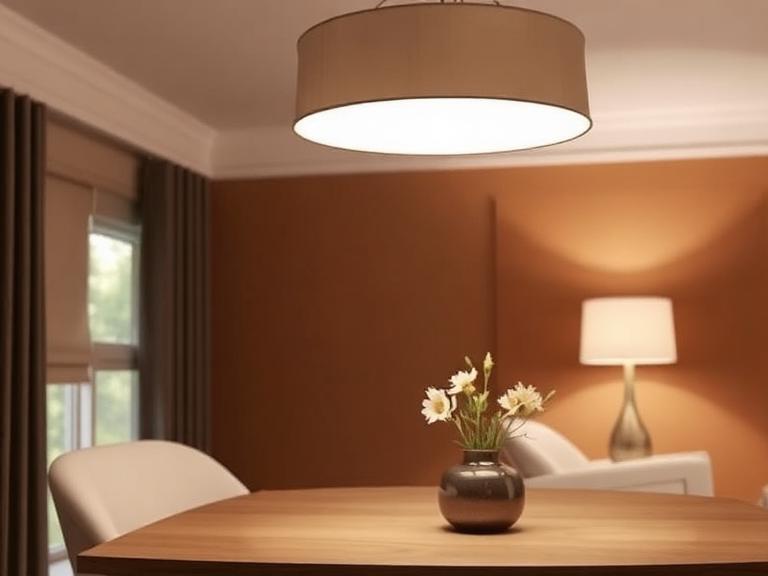
Who Should Use Them: Commercial users, hospitality procurement agencies, interior architecture firms, and lighting wholesalers must utilize custom shade manufacturing. When designing a hotel column wall sconce or a hotel headboard reading light, the shade must endure daily physical interaction from guests. Custom manufacturing guarantees the robust construction required to survive this abuse.
Who Does Not Need Them: For beginners or residential consumers looking to replace a single shade on an antique lamp they found at a flea market, direct-to-manufacturer custom ordering is inefficient. You will be blocked by MOQs. In these scenarios, visiting a local retail lamp repair shop is the most practical choice.
Common Mistakes in Shade Specification
In our testing and review of client specifications, the most frequent mistake is ignoring the harp size. A client will order a beautiful custom shade, but fail to realize their existing harps are too short, causing the bulb to sit too high and peek out over the top of the shade.
Another major error is failing to account for environmental factors. For example, if you are specifying lighting for a damp environment—such as a hotel vanity light fixture or near a hotel led mirror—using a delicate silk softback shade will result in immediate mold and sagging. You must specify moisture-resistant treatments and hardback styrene in these zones.
Buying Considerations & Manufacturer Vetting
When selecting a factory to produce your custom shades, treat the relationship as a long-term partnership. Do not simply hunt for the lowest price per unit on global sourcing boards. Cheap suppliers cut corners by using thin, brittle plastics and non-treated wire frames that will rust. Look for a manufacturer that operates their own facility, offers comprehensive prototyping, and understands global compliance standards.
Buying Guide Table: Vetting a Manufacturer
| Evaluation Criteria | What to Look For | Why It Matters |
|---|---|---|
| Facility Capabilities | In-house cutting, lamination, and wire-welding. | Reduces reliance on sub-contractors, ensuring tighter quality control. |
| Prototyping Policy | Willingness to produce a physical sample before mass production. | Allows you to test light transmittance and exact hardware fit on-site. |
| Compliance Knowledge | Familiarity with UL, ETL, and CE standards. | Ensures the final product will pass local building and fire safety inspections. |
| Portfolio | Experience supplying major hospitality brands (e.g., Marriott, Hilton). | Proves they can handle strict brand standards and complex logistical rollouts, like delivering a massive hotel corridor ceiling light project. |
Expert Recommendation
We recommend approaching custom lamp shades as a critical architectural element rather than an afterthought. The shade is the ultimate filter between the harsh technicality of a lightbulb and the human eye. We strongly advise investing in hardback shades with commercial-grade styrene for any hospitality or retail application. The upfront cost of prototyping and tooling will be heavily offset by the dramatic reduction in maintenance and replacement costs over the lifespan of the fixture. Partner with a proven manufacturer like JialiScott to guarantee your specifications transition flawlessly from the drawing board to the guestroom.
Frequently Asked Questions
What is the best material for a custom lamp shade?
The 'best' material depends on the application. For commercial durability and crisp light diffusion, a linen or cotton blend laminated to a hardback styrene is superior. For high-end, traditional residential settings, hand-pleated silk offers unmatched elegance, though it requires meticulous maintenance.
How do I measure a lamp shade for a custom order?
You must provide three primary measurements: the Top Diameter (straight across the top ring), the Bottom Diameter (straight across the bottom ring), and the Slant (measuring exactly down the side from the top rim to the bottom rim, not straight down the center).
Can I use an LED bulb in a custom fabric shade?
Yes, and it is highly recommended. LED bulbs emit significantly less heat than traditional incandescent bulbs. This dramatically extends the lifespan of the custom shade by preventing the styrene backing from becoming brittle and preventing the fabric from scorching.
Authoritative References & Industry Standards
To ensure commercial compliance and optimal lighting design, we align our manufacturing principles with the guidelines set forth by leading international authorities:
Author:
Huizhou Jiali Technology Co., LTD.









Prev : 7 Ways to Buy Lamp Shades Wholesale Online: A Commercial Procurement Guide
Next : 9 Best Commercial Lighting Fixtures for Restaurants: A Professional Sourcing Guide
文章推荐


Huizhou Jiali Technology Co., LTD.
+86 136-3199-6768 Jamie Zhu
Whatsapp: 0086136-3199-6768 | E-mail:joe866@188.com
#1 Area,Tashin Group,Shuguang Avenue,Chenjiang Town,Huicheng District,Huizhou City,Guangdong Province,China
© 2023 Huizhou Jiali Technology Co., LTD. All rights reserved. | Login