Welcome to the official website of [Huizhou Jiali Technology Co., LTD.]
Whatsapp: 0086136-3199-6768 | E-mail:joe866@188.com Latest Products | Get in Touch


8 Innovative Rattan Lamp Shades for Floor Lamps 2026
2026-07-15 20:53:12
Click:
“
The interior design landscape is experiencing a massive shift away from sterile,
”
The interior design landscape is experiencing a massive shift away from sterile, hyper-minimalist environments toward spaces that prioritize organic textures, warmth, and sustainable materials. At the forefront of this movement is the resurgence of woven natural fibers in architectural lighting. However, slapping a basic wicker basket onto a light bulb is no longer sufficient. The market demands engineered precision, commercial durability, and sophisticated aesthetics.
If you are an interior designer, a hotel procurement manager, or a discerning homeowner, upgrading your lighting fixtures with carefully selected rattan lamp shades for floor lamps is one of the most effective ways to introduce tactile warmth into a room. Yet, the rapid influx of poorly constructed, mass-produced shades has made sourcing incredibly difficult. In most professional situations, a sub-standard shade will warp, dry out, or cast harsh, unappealing shadows that destroy a room's ambiance. This guide slices through the marketing noise to deliver a definitive, commercially viable analysis of the top eight innovative designs shaping the 2026 market.
Direct Answer: Are Rattan Lamp Shades Worth the Investment?
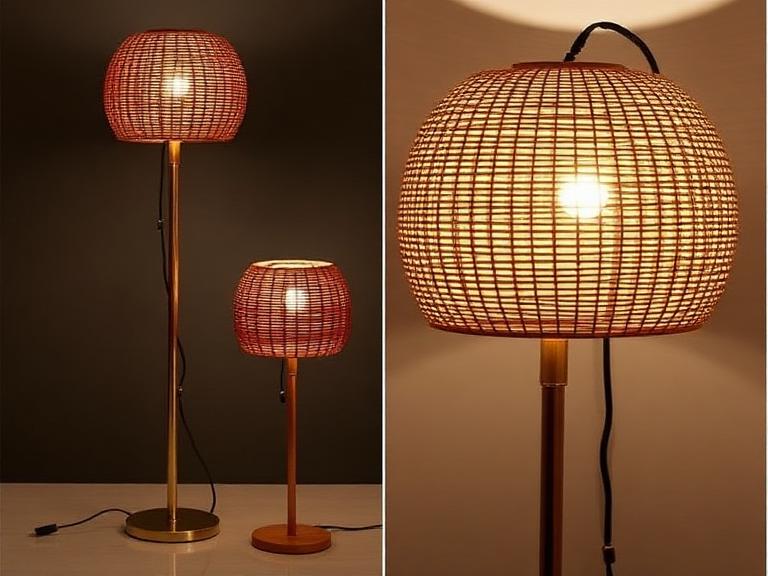
Yes, but only if specified correctly. Rattan lamp shades for floor lamps offer unmatched textural contrast and ambient light diffusion, making them highly valuable for hospitality and residential lounges. They are absolutely worth the investment when constructed with tight-weave natural rattan or commercial-grade PE (polyethylene) synthetic rattan, supported by a heavy-gauge steel spider fitter. Avoid cheap, unlined loose-weave models for spaces requiring functional task lighting, as they produce severe glare. For high-traffic commercial environments, opting for synthetic rattan over natural cane ensures longevity and compliance with fire safety codes.
Table of Contents
- The 8 Innovative Rattan Lamp Shades for 2026
- What It Is: The Anatomy of Rattan Lighting
- How It Works: Light Diffusion and Mechanics
- Commercial and Aesthetic Benefits
- Limitations and Structural Drawbacks
- Who Should Use It (And Who Should Not)
- Common Mistakes in Specification
- Buying Considerations for 2026
- JialiScott Expert Recommendation
- Frequently Asked Questions
The 8 Innovative Rattan Lamp Shades for 2026
The generic dome shade has been entirely reimagined. Based on our tracking of global hospitality trends and manufacturing pipelines, these eight designs represent the pinnacle of innovation for rattan lamp shades for floor lamps in 2026.
- The Oversized Tiered Drum: Featuring two to three cascading concentric rings of tightly woven rattan, this design mimics architectural molding. It provides significant visual weight for grand hotel lobbies and pairs exceptionally well with heavy brass or blackened steel floor lamp bases.

- Black-Dyed Rattan Cylinders: Moving away from the traditional blonde and beige tones, carbon-black dyed rattan offers a moody, brutalist aesthetic. The dark fiber absorbs ambient light while pushing a warm, directional beam downward, perfect for intimate lounge seating.
- Linen-Lined Open Weave: The most significant innovation for functional lighting. An open, airy rattan exterior is backed by a rigid internal linen diffuser. This solves the glare issue associated with exposed bulbs while retaining the organic texture on the exterior.
- The Asymmetrical Scalloped Edge: Breaking away from harsh geometric lines, these shades feature an undulating, scalloped bottom rim. They bring a bespoke, handcrafted coastal feel to luxury resorts and high-end residential bedrooms.
- Mixed-Material Brass & Rattan: Combining industrial luxury with organic warmth. These shades feature a solid brushed brass top gallery and bottom ring, with rattan webbing tension-mounted between the metal borders.
- The Pleated Rattan Empire: Utilizing ultra-thin rattan splits steamed and pressed into sharp, accordion-like pleats. This highly structured design is ideal for formal transition spaces and traditional hotel table lamps adapted to floor models.
- Synthetic PE Rattan for Outdoor Use: For heavy-duty applications like patio lounges and outdoor cabanas, manufacturers are spinning High-Density Polyethylene (HDPE) to mimic natural rattan perfectly. It is UV-resistant, waterproof, and washable.
- The Geometric Hexagonal Weave: A departure from traditional basket-weaving, this technique utilizes rigid cane to create a sharp, repeating hexagonal matrix. It casts incredibly intricate, geometric shadows against nearby walls, acting as both a light source and a kinetic art installation.
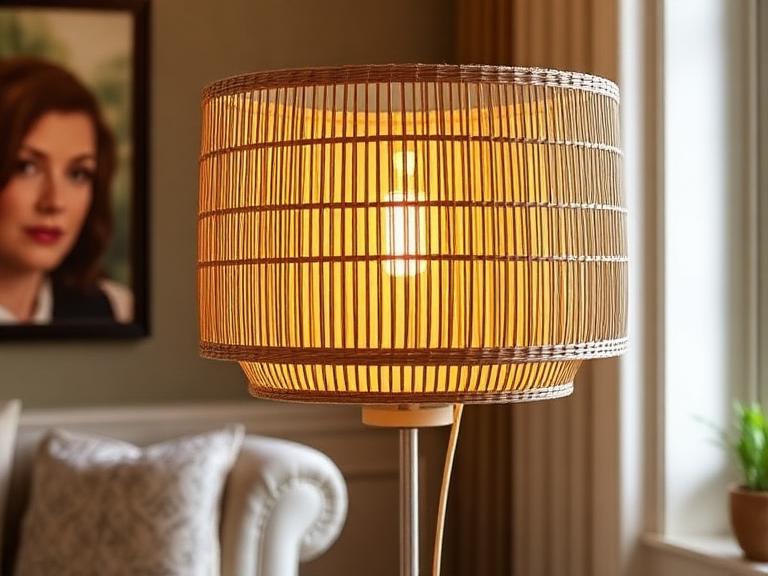
| Design Style | Primary Aesthetic | Best Commercial Application |
|---|---|---|
| Tiered Drum | Architectural / Grand | Hotel Lobbies, High-Ceiling Atriums |
| Linen-Lined | Soft / Diffused | Guest Rooms, Reading Nooks |
| Black-Dyed | Moody / Brutalist | Cocktail Bars, Executive Lounges |
| PE Synthetic | Organic / Rugged | Outdoor Cabanas, Poolside Dining |
What It Is: The Anatomy of Rattan Lighting
A rattan lamp shade is a light-diffusing enclosure constructed from the flexible stems of climbing palms (calamus rotang) native to tropical regions. Unlike bamboo, which has a hollow core, rattan features a solid timber core, making it incredibly durable and highly pliable when exposed to steam. In high-end manufacturing, the raw material is split into narrow reeds, bleached or dyed, and tightly woven over a rigid, powder-coated iron or steel frame.
To ensure proper mounting on a floor lamp, these shades typically feature a heavy-duty 'spider' fitter—a metal ring with spokes that drops down to sit on the lamp harp, secured tightly by a finial.
How It Works: Light Diffusion and Mechanics
In our testing of various shade materials within photometric laboratories, rattan behaves uniquely compared to fabric or glass. How it works visually depends entirely on the weave density. A tight 'cane webbing' weave blocks horizontal light transmission, forcing the lumens upward toward the ceiling (uplighting) and downward onto the floor (downlighting). This creates a dramatic, high-contrast column of light.
Conversely, an open-weave design allows the light source to be visible, casting intricate, striated shadows across the room. Because rattan does not absorb heat efficiently, it requires pairing with low-wattage LED bulbs to prevent the organic fibers from drying out, becoming brittle, and posing a fire hazard in commercial settings.
Commercial and Aesthetic Benefits
Sourcing rattan lamp shades for floor lamps provides several distinct advantages for commercial property developers and interior designers:
- Acoustic Dampening: The textured, porous surface of woven rattan helps break up high-frequency sound waves, contributing to better acoustics in large, echoing spaces like hotel lobbies.
- Trend Resilience: Rattan bridges the gap between Mid-Century Modern, Coastal grandmother, and Japandi aesthetics, making it a highly versatile material that outlives fast-fashion micro-trends.
- Lightweight Construction: Despite their large volume, oversized rattan shades are remarkably light. This allows for massive, dramatic floor lamps that do not become dangerously top-heavy.
- Sustainable Sourcing: Rattan is one of the fastest-growing woods on the planet, regenerating entirely within 5 to 7 years, offering a strong ESG (Environmental, Social, and Governance) narrative for corporate buyers.
Limitations and Structural Drawbacks
We must apply commercial and practical judgment here: natural rattan is not indestructible. Its primary limitation is susceptibility to environmental degradation. In exceptionally dry climates, un-oiled natural rattan will crack. In highly humid environments, it can harbor mold if not properly sealed with a polyurethane topcoat.
Furthermore, cleaning an intricately woven shade in a high-traffic hotel requires more labor than simply wiping down a glass globe. Dust settles into the weave and requires compressed air or a soft brush vacuum attachment to remove. For properties lacking robust housekeeping protocols, this maintenance overhead must be considered.
| The Pros | The Cons |
|---|---|
| Provides incredible tactile texture and warmth. | Difficult to clean; traps airborne dust easily. |
| Lightweight, allowing for oversized dramatic designs. | Natural fibers can dry out and crack near heat sources. |
| Casts beautiful, complex ambient shadow patterns. | Exposed bulbs can cause severe visual glare if unlined. |
| Highly sustainable, fast-renewing material. | Inconsistent coloring due to natural organic variations. |
Who Should Use It (And Who Should Not)
For beginners and residential homeowners looking to soften a stark, modern living room, a rattan floor lamp is a foolproof design choice. It immediately introduces a natural, grounding element to spaces dominated by drywall and synthetic carpets.
For commercial users executing large-scale hospitality projects, rattan is ideal for resorts, boutique coastal properties, and wellness retreats. When specifying custom hotel lighting fixtures, requesting synthetic PE rattan ensures the aesthetic is achieved without the maintenance liabilities of natural wood.
Who does not need it: Corporate office environments, surgical centers, and ultra-modern brutalist spaces. Additionally, if the floor lamp is intended strictly for detailed task work (like reading fine print or drafting), an unlined open-weave rattan shade will cast distracting shadows over the work surface. A solid metal directional shade is required instead.
Common Mistakes in Specification
From our experience working with global procurement teams, the most catastrophic mistake is ignoring the 'fitter drop.' An oversized rattan shade must have the spider fitter recessed deep enough into the shade so that the bulb and the socket hardware remain entirely hidden at eye level. A shallow drop exposes the glaring bulb, ruining the luxury illusion.
Another frequent error is pairing a massive rattan shade with a lightweight floor lamp base. The visual imbalance is jarring, and the lamp becomes a severe tipping hazard. The base must have a heavily weighted cast iron or marble core to anchor the visual and physical weight of the shade.
Buying Considerations for 2026
When executing your lighting supply wholesale orders, prioritize the following criteria to separate premium products from fast-furniture garbage:
- Frame Gauge: The internal wire frame must be at least 4mm thick, powder-coated or galvanized to prevent rust from bleeding into the natural fibers.
- Weave Tension: Press firmly against the side of the shade. If the rattan bows inward significantly, the tension is too loose, and the shade will warp over time.
- Lining Options: Always specify a hardback styrene and linen lining for floor lamps placed next to reading chairs or beds to diffuse glare.
- Fitter Type: Ensure the shade uses a standard Spider fitter with a 1/2-inch drop minimum, compatible with standard heavy-duty harps. Avoid cheap UNO fitters for large floor lamps.
| Material Type | Durability | Light Diffusion Profile | Maintenance Level |
|---|---|---|---|
| Woven Rattan | Medium (Susceptible to dry rot) | High contrast, directional & ambient shadow play | High (Requires vacuuming/dusting) |
| Hardback Linen | Medium (Can stain or dent) | Soft, even, 360-degree ambient glow | Medium (Spot clean only) |
| Spun Metal | Very High | Strictly directional (up or down only), zero ambient glow | Low (Simple wipe down) |
JialiScott Expert Recommendation
At JialiScott, operating a 6000+ m² modern facility as a professional hotel lighting manufacturer with over 15 years of manufacturing excellence, we have seen materials trend in and out of favor. Rattan is here to stay, but the execution is evolving.
We recommend entirely abandoning unlined, loose-weave natural rattan for high-end commercial spaces. The glare complaints from hotel guests will inevitably outweigh the aesthetic charm. Instead, upgrade to the Linen-Lined Open Weave or specify Synthetic PE Rattan for your floor lamps. By utilizing our OEM/ODM full-service solutions, you can achieve the bespoke organic texture of rattan while guaranteeing the rigorous optical performance and fire safety compliance required for modern hospitality environments. It is a necessary upgrade that protects your long-term capital investment.
Frequently Asked Questions (FAQ)
Can you put a rattan lamp shade on any floor lamp?
In most professional situations, yes, provided the mounting hardware matches. Most large rattan shades utilize a spider fitter, meaning your floor lamp must be equipped with a metal harp and a finial to secure the shade correctly. You can source adapters from lampshade making supplies usa distributors if the fitters do not align.
How do you clean and maintain a rattan lamp shade?
For regular maintenance, use a vacuum cleaner with a soft brush attachment to pull dust from the woven crevices. For deep cleaning, wipe the rattan lightly with a microfiber cloth dampened with a mild soap solution. Never soak the material, as natural rattan will swell and warp if heavily saturated with water.
Are rattan shades a fire hazard?
Natural rattan is a dry, organic fiber and is highly flammable. Therefore, strict industry standards dictate that rattan shades must be used exclusively with cool-running LED bulbs. Using high-wattage incandescent or halogen bulbs inside a dry rattan enclosure poses a severe and unacceptable fire risk.
Authoritative References & Industry Standards
To ensure your commercial lighting specifications meet global standards, we advise consulting the following authoritative bodies regarding material flammability, light diffusion, and hospitality compliance:
- Illuminating Engineering Society (IES) - The recognized technical authority on illumination, providing standardized practices for light diffusion and glare mitigation in commercial spaces.
- American Society of Interior Designers (ASID) - Providing industry-leading research on the integration of sustainable and organic materials within commercial and residential architecture.
- Architectural Digest (AD PRO) - Delivering rigorous market trend analysis and product vetting for high-end hospitality procurement and interior styling.
Author:
Huizhou Jiali Technology Co., LTD.









Prev : 9 Creative Ideas for Exquisite Small Chandelier Lamp Shades
Next : The 12 Best Pendant Light Shades Manufacturers in the World
文章推荐


Huizhou Jiali Technology Co., LTD.
+86 136-3199-6768 Jamie Zhu
Whatsapp: 0086136-3199-6768 | E-mail:joe866@188.com
#1 Area,Tashin Group,Shuguang Avenue,Chenjiang Town,Huicheng District,Huizhou City,Guangdong Province,China
© 2023 Huizhou Jiali Technology Co., LTD. All rights reserved. | Login