Welcome to the official website of [Huizhou Jiali Technology Co., LTD.]
Whatsapp: 0086136-3199-6768 | E-mail:joe866@188.com Latest Products | Get in Touch


10+ hotel room lighting ideas 2026
2026-05-25 21:33:39
Click:
“
The global hospitality sector in 2026 demands a sophisticated balance of environ
”
The global hospitality sector in 2026 demands a sophisticated balance of environmental aesthetics, energy efficiency, and intuitive functionality. Modern travelers no longer view a hotel guestroom as merely a temporary place to rest; it serves as a remote workspace, a personal wellness sanctuary, and an immersive luxury environment. Achieving excellence in contemporary hotel room design requires looking past basic single-source overhead fixtures and developing a multi-layered illumination system that addresses distinct guest behaviors throughout the day.
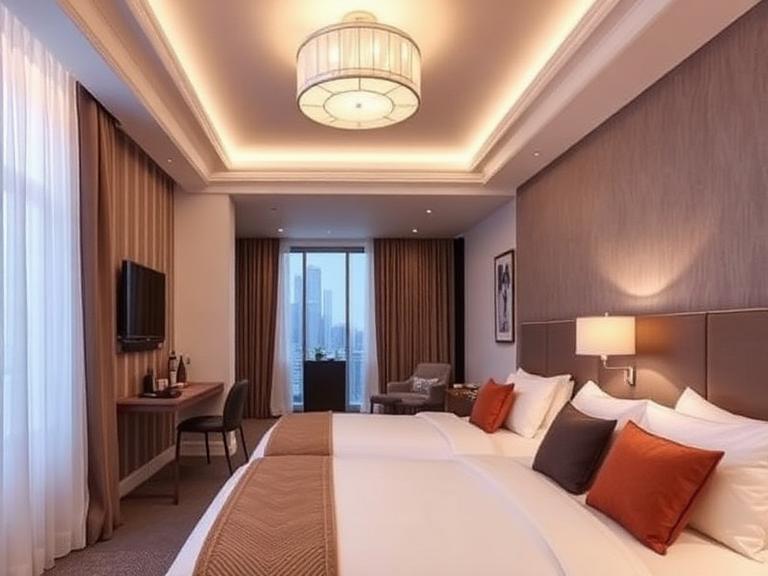
From our experience at Jialiscott, establishing a memorable interior atmosphere relies heavily on specifying premium commercial-grade fixtures engineered for stable color rendering indices and seamless dimming controls. When a hospitality layout utilizes unbalanced or glare-heavy lighting parameters, it directly impacts guest physiological comfort, lowers brand loyalty, and increases room maintenance overhead. In this authoritative design blueprint, we present a technical evaluation of more than ten innovative hotel room lighting ideas, outline strategic product sourcing metrics, and demonstrate how unified structural lighting design creates a lasting, upscale impression across corporate hospitality networks.
Table of Contents
- 1. The Physics of Light Layering: Ambient, Task, and Accent Harmony
- 2. 10+ Innovative Hotel Room Lighting Ideas for Modern Properties
- 3. Strategic Lighting Application and Specification Summary Matrix
- 4. Critical Commercial Sourcing and Engineering Standards
- 5. Turnkey Hospitality Luminescence: The Jialiscott Project Advantage
- 6. Frequently Asked Questions (FAQs)
- 7. Academic, Government, and Industry References
1. The Physics of Light Layering: Ambient, Task, and Accent Harmony
To accurately deploy successful hotel room lighting ideas, interior architects must analyze the biological and optical mechanics of visual adaptation. A guestroom must transition seamlessly from a bright, energy-focused morning space to a warm, relaxing evening environment that promotes natural circadian rhythms. Achieving this flexibility requires strict architectural layering where ambient illumination defines general visibility, task fixtures target functional workspace needs, and accent lighting emphasizes structural textures or design art pieces.
We recommend establishing precise zoning boundaries on your electrical layout plans before purchasing fixtures for a large renovation. When layers operate independently, guests can customize their immediate space via centralized bedside controls to suit their personal preferences. Incorporating high-quality materials ensures light scales uniformly across these distinct functional layers, eliminating harsh shadows and preventing eye strain for both business travelers and vacationing guests.
2. 10+ Innovative Hotel Room Lighting Ideas for Modern Properties
The following technical design analyses profile ten premier lighting methods engineered to maximize spatial depth, enhance physical comfort, and reduce energy consumption across modern hotel properties.
1. Headboard Integrated Warm-Dimming LED Coves

Headboard illumination sets the visual foundation for the entire sleeping quarters. Traditional exposed bulbs create uncomfortable direct glare for guests trying to read or rest in bed. We recommend mounting high-density, warm-dimming LED flexible ribbons deep inside custom headboard architectural coves. Directing the light output upward and backward against the wall plane produces a soft, floating ambient layer that minimizes harsh contrast, relaxes the eyes, and establishes an upscale, intimate room atmosphere.
2. Pleated Fabric Bedside Sconces for Soft Textural Spread
Bedside task lights must provide focused illumination for reading while softening the immediate environment to prevent harsh glare. Sourcing premium multi-layered fabric panels combined with high-performance metal hardware offers an elegant, low-profile alternative to bulky desk lamps. Incorporating architectural wall fixtures preserves valuable bedside table real estate for guest smartphones and personal items, adding structure to the room layout.
To achieve this balance in premium guestrooms, we recommend integrating specialized hospitality options like the Courtyard by Marriott Hotel Public Area Hallway Corridor Sconce Pleated Fabric Wall Mounted Lamp. Originally engineered for high-end hospitality portfolios, this durable fixture features an E26 light source wrapped in a refined pleated fabric shade to diffuse light evenly. Built on a solid metal frame with an elegant brushed nickel finish, it delivers an ideal mix of classic texture and commercial-grade durability.
3. Multi-Zone Low-Voltage Floor Linear Grazing
Linear floor grazing utilizes micro-recessed LED channels mounted along the baseboards or underneath floating luggage benches. This layout path casts a soft, low-intensity wash of light across the flooring texture, creating depth and accentuating premium carpet or wood finishes. It functions as an effective nightlight layer, guiding guests safely to the entry or bathroom area without throwing bright light onto the bed.
4. Automated Low-Lux Bathroom Toe-Kick Nightlights
Waking up during the night and encountering a high-intensity 4000K overhead bathroom light can instantly disrupt melatonin production, making it difficult for guests to fall back asleep. Integrating low-lux, motion-activated LED strips inside the bathroom vanity toe-kick area provides an elegant, intuitive solution. The system activates automatically at a muted 2200K temperature when a guest steps onto the tile, providing just enough light for safe movement while preserving sleep cycles.
5. Anti-Fog Smart LED Backlit Vanity Mirrors
Modern bathroom design relies on high-resolution vertical backlighting to eliminate common facial shadows during grooming and makeup application. Conventional overhead downlights project shadows under the eyes and chin, causing user frustration. We recommend integrating specialized LED Mirror systems directly into your bathroom fit-outs. These smart systems place high-CRI light sources behind frosted glass borders to deliver uniform, front-facing illumination, while built-in anti-fog heating elements keep the mirror perfectly clear even during hot showers.
6. Dynamic Floating Ceiling Soffit Illuminations
To make compact or low-ceiling guestrooms feel visually larger, dropping a central ceiling soffit and illuminating the perimeter with hidden linear LEDs is highly effective. This indirect lighting method bounces light off the upper ceiling plane, creating an illusion of vertical height and openness. It provides an elegant alternative to harsh central flush mounts, bathing the room in a glare-free ambient glow.
7. Targeted Wardrobe Internal Micro-Switch Bars
Deep luggage closets and dark entry wardrobes can be difficult to navigate, leading guests to accidentally misplace clothing items. Mounting low-profile LED light bars inside the upper hanging rail provides clear internal visibility. Equipped with smart micro-switches or magnetic sensors, these efficient bars click on automatically when the closet door glides open and switch off when closed, delivering immediate convenience with zero energy waste.
8. Articulated Focus Reading Spotlights
For guests who prefer absolute darkness in the room while a partner reads beside them, wide-beam lamps are ineffective. Installing micro-aperture, articulated reading spotlights directly into the headboard padding provides a precise solution. These compact, adjustable fixtures use narrow 15-degree lenses to focus crisp light precisely onto the reading material, preventing light spill from disturbing a sleeping companion.
9. Dual-Purpose Smart Fan Lighting Systems
Balancing steady airflow with high-quality room illumination is a common challenge for tropical resorts and boutique coastal hotels. Standard ceiling fans with exposed light kits can look dated and throw off an annoying strobing effect when blades cut across downlight beams. We recommend sourcing advanced Fan systems equipped with integrated, dimmable LED ring lights. This modern configuration delivers smooth, hum-free air circulation alongside perfectly even ambient light, maximizing ceiling space and clean design lines.
10. Floor-Level Entry Corridor Orientation Markers
The transition from a bright public hallway into a dark guestroom requires careful visual staging. Installing low-wattage, recessed orientation marker lights roughly 30 centimeters above the finished floor in the entry corridor provides a clear, welcoming pathway. This design step ensures immediate safety upon room entry without forcing guests to grope for main wall switches in unfamiliar dark spaces.
11. Window Valance Automated Curtain Track Washes
Placing hidden LED linear tracks inside the window curtain valance creates an elegant, dramatic wash of light down the sheer fabric panels. This accent layer accentuates the height of the window frame and emphasizes fabric textures, adding a soft, glowing border that replaces dark window voids at night with an inviting, luxurious focal point.
3. Strategic Lighting Application and Specification Summary Matrix
To help resort owners, procurement managers, and hospitality design teams select the ideal gear layout, the following responsive summary table details the technical parameters and target placements of key commercial fixtures.
| Lighting Application Idea | Primary Light Source Class | Chassis & Finish Profile | Target Sourcing Zone | Core Functional Advantage |
|---|---|---|---|---|
| Pleated Fabric Wall Sconce | E26 Base Configuration | Brushed Nickel Alloy | Bedside / Lounge Wall | Diffuses direct light to eliminate eye strain |
| Cylindrical Accent Sconce | G9 x 2 Configuration | Brushed Nickel + Walnut | Public Space Columns / Corridors | Creates elegant architectural vertical pillars |
| Lobby Chandelier Master | Integrated High-CRI LED | Brushed Brass & Acrylic | Lounge / Grand Entry | Functions as a high-prestige design focal piece |
| Smart Backlit Mirror | Continuous LED Ribbon Array | Frosted Border + Defogger | Bathroom Vanity Wall | Provides balanced frontal illumination for grooming |
| Integrated Ceiling Fan Kit | Dimmable Embedded Ring LED | Low-Noise Motor Assembly | Central Ceiling Center | Combines smooth climate control with even lighting |
4. Critical Commercial Sourcing and Engineering Standards
Sourcing commercial-grade fixtures for international hotel developments requires an engineering audit that looks far deeper than basic residential retail styling. Hospitality fixtures must endure continuous daily operation, aggressive cleaning chemical wipe-downs, and regular handling by thousands of guests. Before approving a lighting purchase order, project managers must verify four critical technical pillars:
- Color Rendering Index (CRI) Tolerances: Low-grade LED chips display distorted color spectrums, making skin tones look pale and ruining the warmth of premium wood furniture. Ensure all specified fixtures maintain a minimum score of Ra>90 to guarantee authentic, rich color presentation across all surfaces.
- Flicker-Free Driver Performance: Cheap electronic drivers produce high-frequency light flickering that is invisible to the naked eye but triggers hidden headaches and eye fatigue over time. Insist on verified dimming drivers that comply with IEEE standards for flicker-free operation across all power percentages.
- Ingress Protection (IP) Calibration: Wet zones inside hotel bathrooms and spa areas demand tight environmental seals to block moisture infiltration. Mirror connections and ambient bathroom lights must carry certified IP44 or higher ratings to protect internal circuitry from steam degradation and ensure long-term user safety.
- In-Line Replacement Accessibility: Custom lighting designs must remain practical for your facility maintenance staff. Sourcing fixtures built around standardized light sources or using modular, quick-connect internal drivers allows maintenance teams to execute fast replacements without cutting into finished drywall.
5. Turnkey Hospitality Luminescence: The Jialiscott Project Advantage
While exploring creative hotel room lighting ideas is essential for early blueprint layout planning, executing a successful rollout relies on selecting a production manufacturer with a proven track record in global hospitality supply chains. Jialiscott specializes in designing, engineering, and manufacturing premium commercial lighting fixtures tailored to the world's leading hotel brands. By controlling our internal metallurgy casting, polymer extrusion, and assembly lines, we ensure our collections meet strict international build requirements, giving project managers complete peace of mind.
Our deep manufacturing versatility allows us to deliver high-performance fixtures for public areas and guestrooms alike. For example, properties seeking to elevate their columns or transitional spaces can specify our Courtyard by Marriott Public Space Cylindrical Sconce At Columns G9 x 2 Hotel Public Area Lighting system. Built with a robust metal and acrylic chassis featuring a brushed nickel and walnut finish, it functions beautifully as an accent piece. For grand reception zones that demand a striking design highlight, developers can integrate our flagship Hospitality Hotel Marriott Buffalo Niagara Public Area Lobby Lounge Chandelier hospitality lighting design, which features a premium brushed brass and acrylic finish to create an impressive visual presence.
Furthermore, maintaining absolute consistency across a large-scale project requires sourcing matching internal structural hardware. Designers can explore our comprehensive catalog of specialized Lighting Accessories to fine-tune your installation layouts, or access our heavy-duty marine-grade engineering lines via the Cruise Ship Lighting Systems portal. Sourcing directly from our centralized manufacturing lines eliminates intermediate retail markups, shortens project lead times, and guarantees traceable quality parameters to secure your global hospitality property investments.
6. Frequently Asked Questions (FAQs)
What specific features define the best hotel room lighting ideas for luxury guestrooms?
The most effective hospitality lighting layouts utilize multi-layered zoning, high-CRI (Ra>90) color accuracy, and warm indirect diffusion. By combining hidden LED headboard coves, fabric bedside sconces, and automated low-lux vanity nightlights, properties can create a flexible, welcoming environment tailored to varied guest needs.
Why are wall-mounted scone fixtures preferred over traditional desktop reading lamps beside the bed?
Wall-mounted scone options like the Jialiscott JLW-H161 save valuable space on bedside tables, creating a cleaner, clutter-free look. They anchor securely to the wall to prevent accidental tipping or cord damage by guests, lowering ongoing maintenance costs for the hotel.
What is the optimal color temperature configuration for a premium hotel guestroom?
From our experience, we recommend using warm-white color temperatures between 2700K and 3000K for the main bedroom living area to create a relaxing, cozy residential feel. For task areas like desks or vanities, shifting to a crisp 3500K to 4000K ensures excellent clarity for reading, working, and grooming.
How do integrated anti-fog heating components enhance bathroom vanity smart mirrors?
Integrated anti-fog units apply gentle heat across the rear of the mirror glass to clear away steam condensation instantly during a hot shower. This keeps the mirror perfectly clear for grooming, eliminating the need for guests to wipe the glass down manually and keeping the bathroom space looking pristine.
7. Academic, Government, and Industry References
1. Illuminating Engineering Society (IES). (2024). Hospitality Lighting Design Standards and Circadian Receptive Illumination Specifications for Commercial Guestrooms (IES RP-30-22). New York, NY: IES Press. Available via the official repository at https://www.ies.org/)
2. International Organization for Standardization. (2023). Light and lighting — Lighting of work places — Part 1: Indoor work places in commercial hospitality structures (ISO Standard No. 8995-1:2002). Available via https://www.iso.org/)
3. Department of Energy (DOE). (2025). Commercial Solid-State Lighting Evaluation: Thermal Degradation Metrics and Color Rendering Stability of High-Density LED Drivers in Multi-Unit Hospitality Assets. Federal Technology Reference Database.
Author:
Huizhou Jiali Technology Co., LTD.









Prev : Top 9 Luxury Hotel Lobby Chandeliers Suppliers: The Hospitality Procurement Blueprint
Next : The 10 Best Black Light for Hotel Rooms: A 2026 Hospitality Design Guide
文章推荐


Huizhou Jiali Technology Co., LTD.
+86 136-3199-6768 Jamie Zhu
Whatsapp: 0086136-3199-6768 | E-mail:joe866@188.com
#1 Area,Tashin Group,Shuguang Avenue,Chenjiang Town,Huicheng District,Huizhou City,Guangdong Province,China
© 2023 Huizhou Jiali Technology Co., LTD. All rights reserved. | Login